







HAIR RITUEL - LE MAGAZINE
How to protect your hair in winter?
The cold is not your hair’s best friend and, without the appropriate care, breakage, split ends, itching and frizz crash the party. Luckily, a carefully considered hair care routine will allow you to protect your hair and limit damage from root to tip.

Taking care of your hair and scalp in winter
If your skin tends to become drier when the air becomes colder, your scalp may also suffer from this common concern during the winter months. It is therefore important to take care of it with a targeted ritual.
Massage your scalp
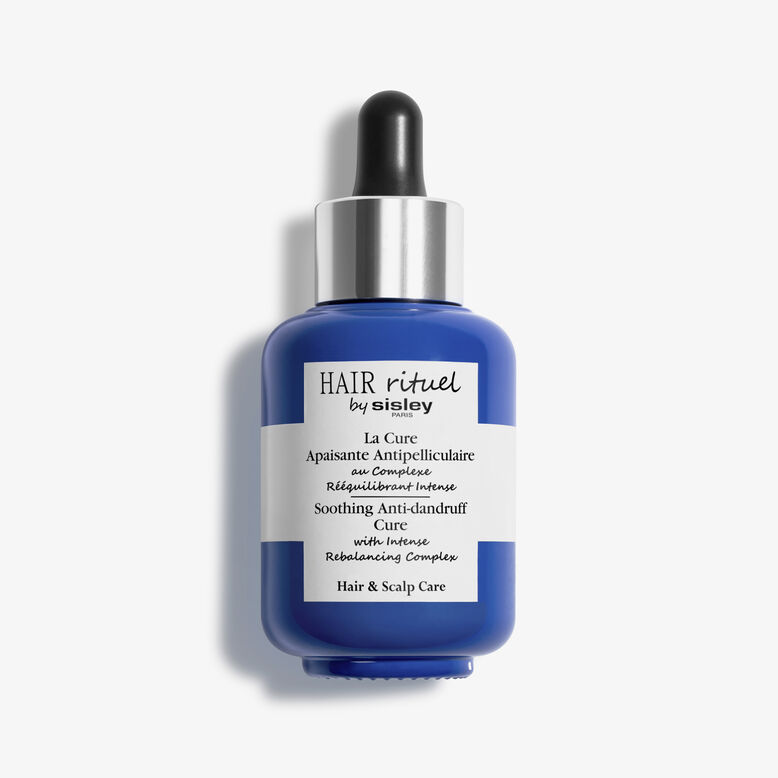
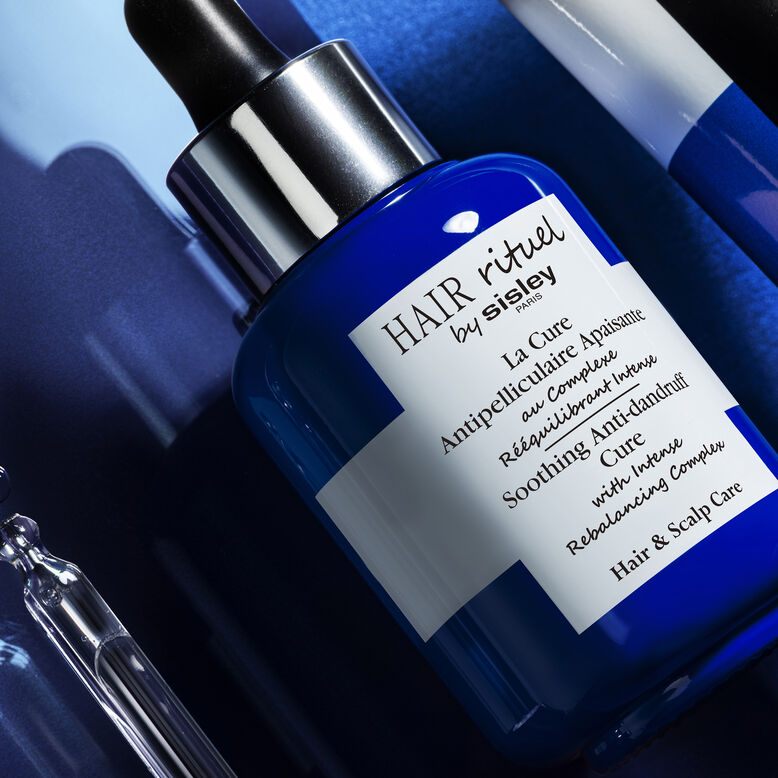
Grant yourself a moment of relaxation by massaging your scalp at least once a week. Rebalance, soothe and purify with Soothing Anti-dandruff Cure. Apply 4 pipettes section by section to a dry or damp scalp and massage in with the fingertips. Do not rinse. Include this step in your ritual after your shampoo three times a week for three weeks to eliminate dandruff, rebalance the scalp and soothe feelings of discomfort.
Purify oily hair
In winter, dry air and the cold dry out the scalp, impairing its natural protective barrier. In response, the sebaceous glands may become more active, producing excess sebum. Wearing a hat every day can also encourage perspiration, suffocating the scalp and making hair look greasy.
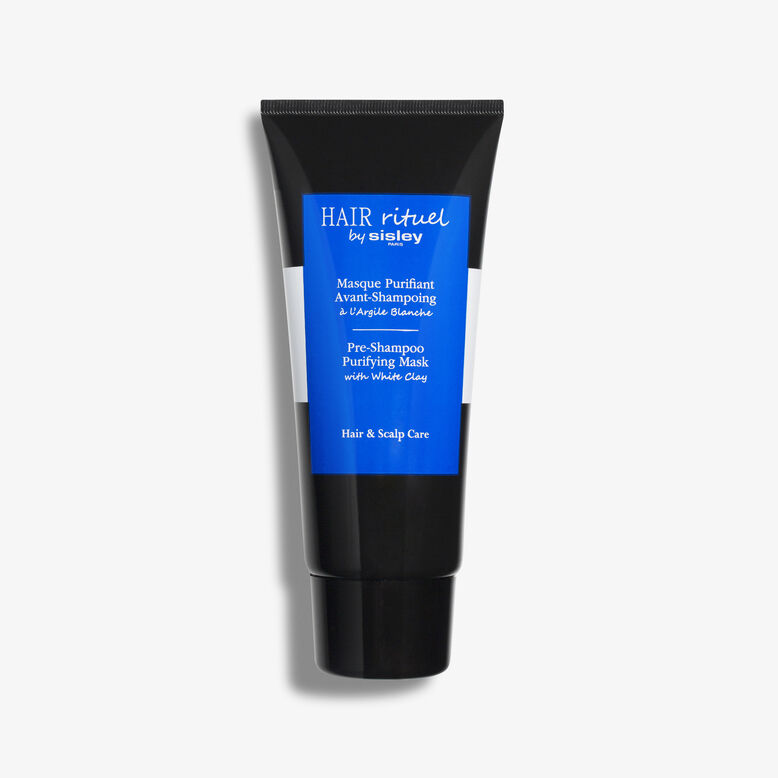
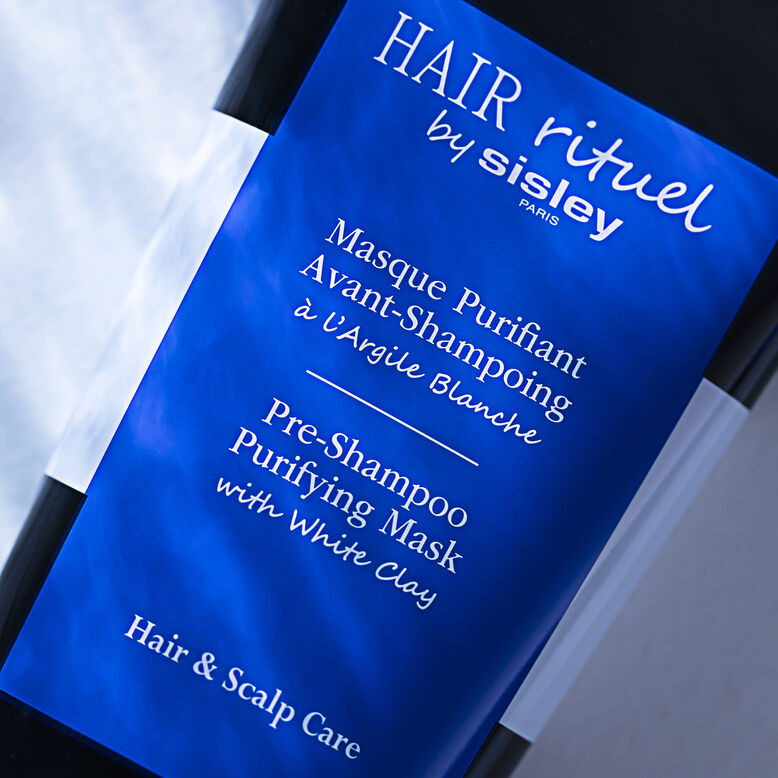
To restore freshness and lightness to your roots, incorporate Pre-Shampoo Purifying Mask into your hair ritual. Providing a “soaking up” action, it contains purifying white clay to gently absorb excess sebum and impurities. Hair is lighter and the scalp is fresh again.
Turn down the temperature of the water
We’d love to relax in a scorching hot shower after a chilly day! But, be careful, hot water tends to dry out hair, so you are recommended to turn down the temperature and finish your cleansing ritual with a cold rinse to seal the cuticle and maintain maximum shine.
Nourish, repair and add shine to your hair in winter
In winter, it is essential to pay particular attention to your hair’s nutrition to prevent dullness and stop the lengths and ends from drying out. Adopt good habits and choose products that correspond to your hair type to provide hair with the dose of comfort in needs.
Repair right to the ends
Hats, scarves, jumpers and heavy coats are an integral part of our winter arsenal. However, repeated rubbing tends to weaken your hair and create hair static.
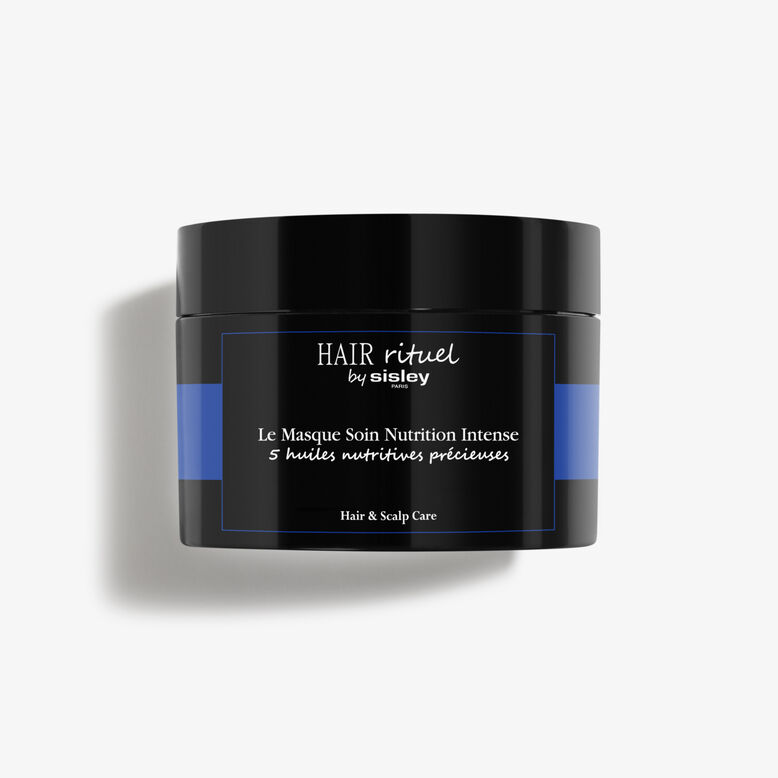
Choose the shampoo tailored to your hair type and treat your hair to a concentrated dose of nutrition with the Intense Nutrition Hair Care Mask, which provides it with the lipids it requires to be shiny, soft and strong.
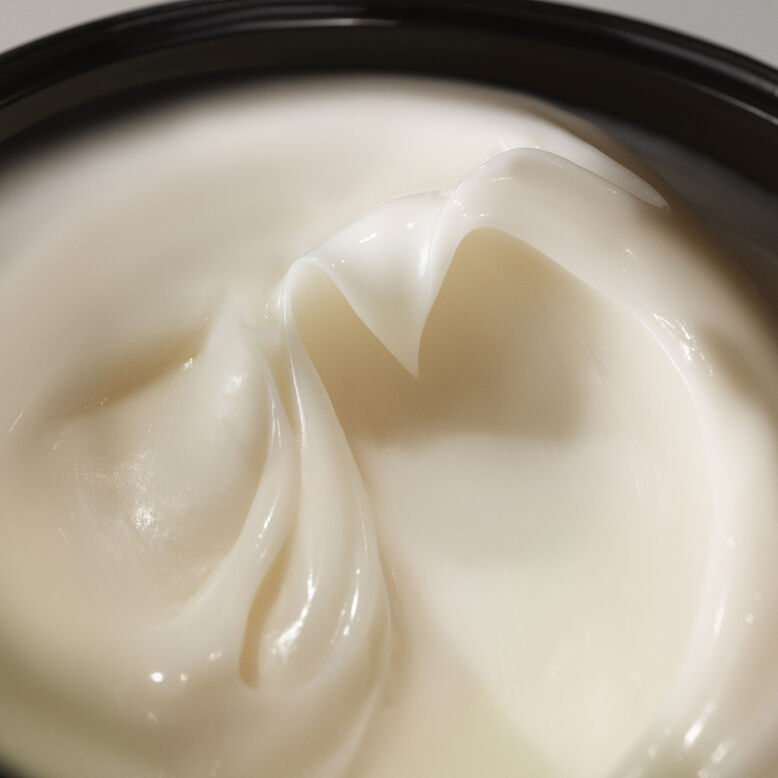
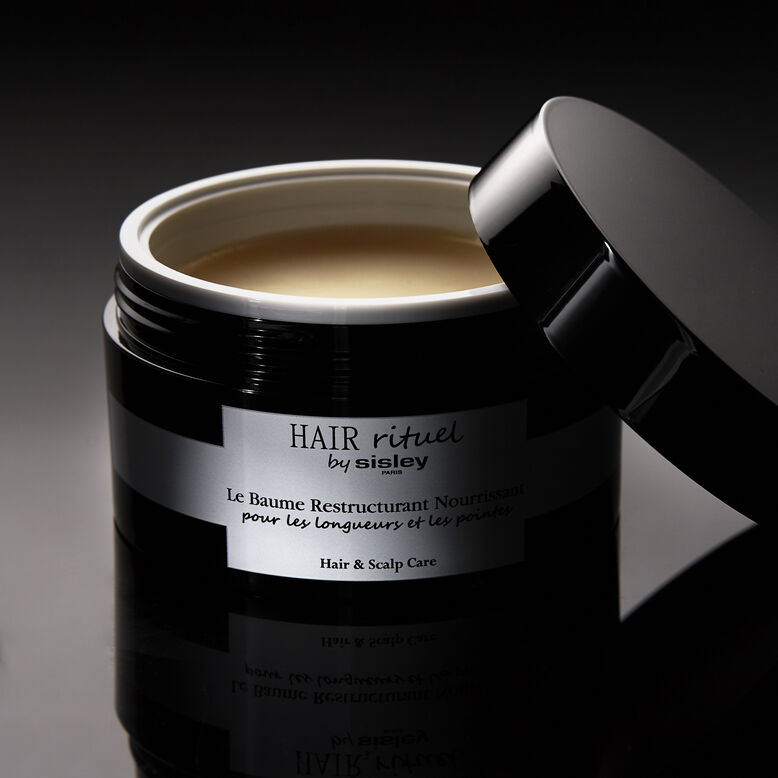
For damaged, split and/or brittle ends, apply the Restructuring Nourishing Balm before shampooing to nourish, restore and restructure hair.
Dry your hair before going out in winter
Over and above the risk of catching a nasty cold, going out when your hair is still wet risks damaging it and leaving it even more sensitive to breakage.
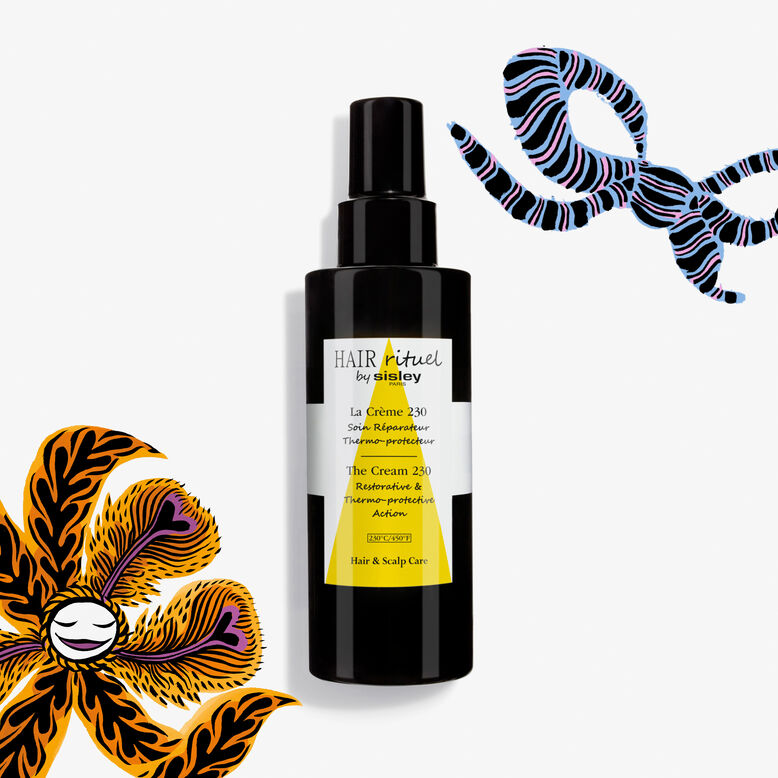
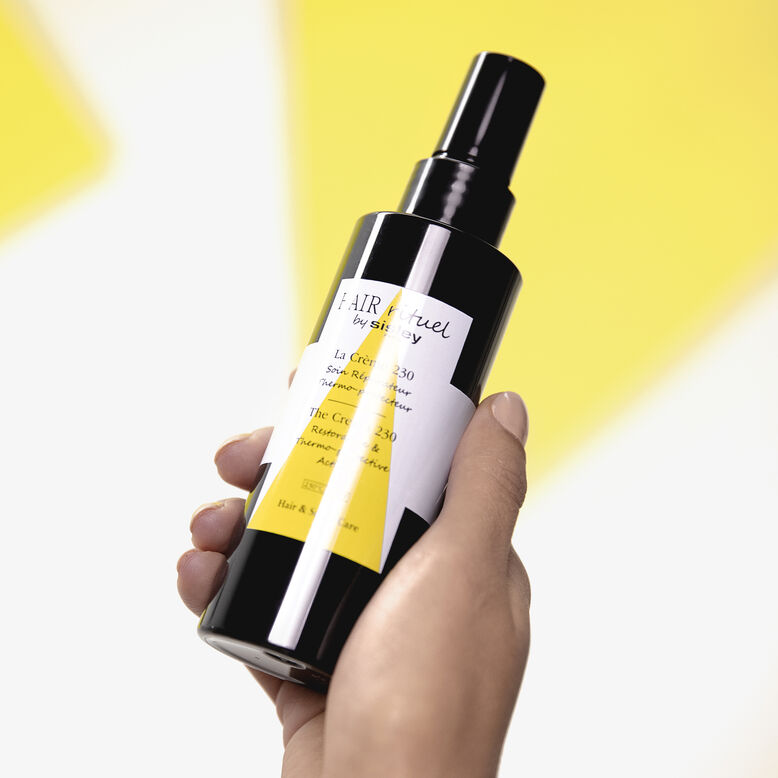
To prevent both a winter cold and split ends, make sure to always go out with dry hair. If you use a hair dryer or straightener to style your hair, apply repairing and thermo-protective The Cream 230, which protects the hair fibre from hot styling tools, beforehand.
Add an extra dose of shine
Brushing your hair every day is a good place to start to restore its shine. Brushing removes impurities and helps hair reflect light better.
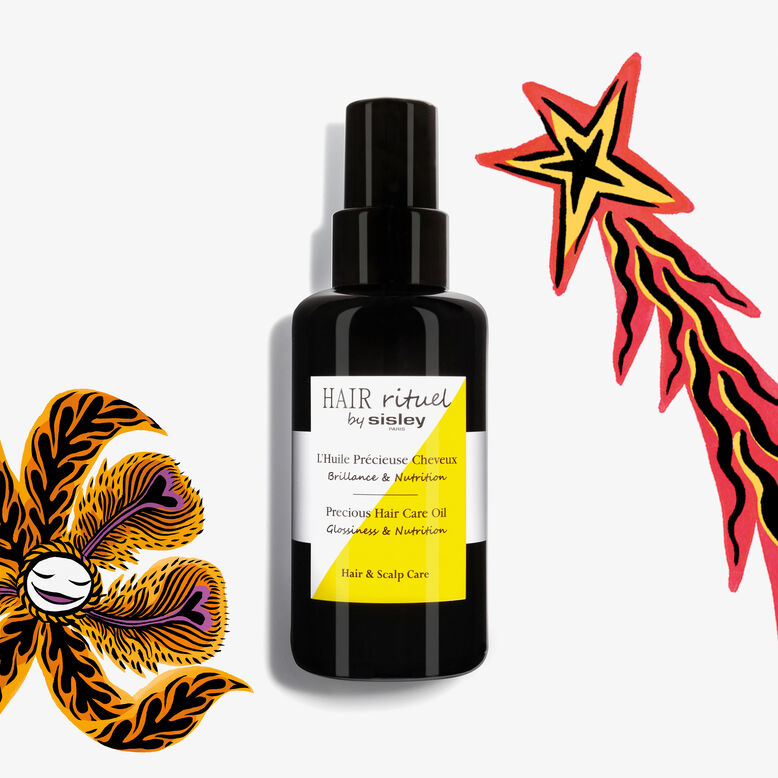
Finish your styling ritual by applying a few drops of Precious Hair Care Oil to dry or damp hair to add a layer of shine to the hair fibre.

Iconic
£88.00

Protect your hair from the elements in winter
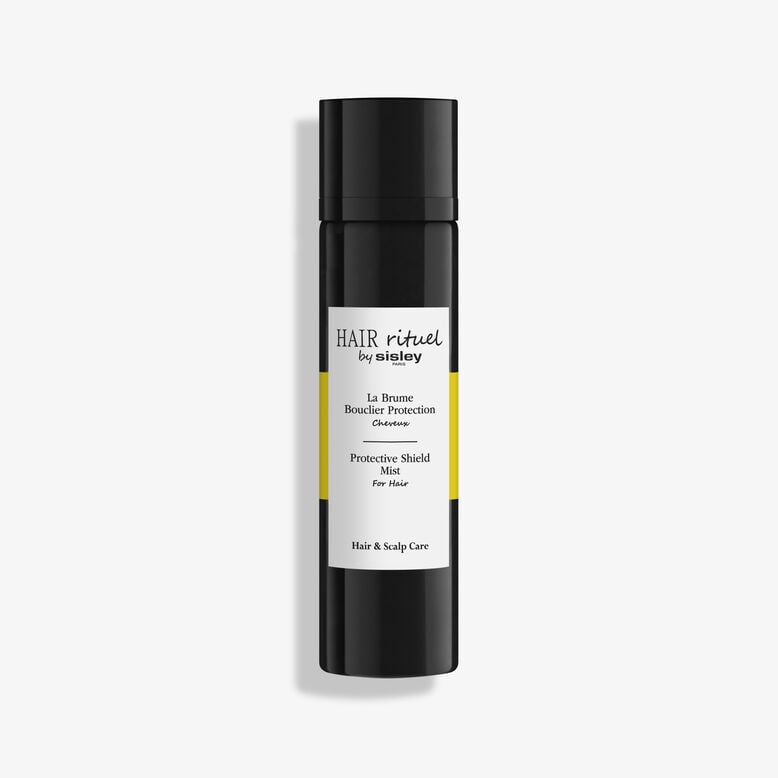
Your hair is constantly in contact exposed to a variety of external factors that damage it daily. Cold, wind, air pollution and humidity compromise the quality and vitality of the hair fibre. It's therefore advisable to protect your hair on a daily basis with Protective Shield Mist. Apply it as the last step in your haircare ritual to maintain the quality and beauty of your hair.
Your questions:
Why does hair become static in winter?
Static electricity is caused by an imbalance of electrical charges on the hair's surface. A dry environment and/or rubbing against a textile material (e.g. a jumper or a hat) changes the hair’s state, making its strands electrically identical. This creates a repulsive force that causes hair strands to move as far apart as possible. This escaping motion creates the effect of hair standing up or "floating" around the head, and is particularly common in winter.
Why does hair get greasy faster in winter?
If hair seems to get greasy faster in winter, it's often a direct reaction to the cold. Lower outside temperatures slow down blood microcirculation to the scalp. To compensate for this slowdown and protect it from winter temperatures, the sebaceous glands may produce more sebum than usual. What's more, hats and scarves create a warm, confined environment that encourages perspiration and scalp suffocation, amplifying the greasy root effect.
Why does cold weather damage hair?
Cold air is dry air, just like hot air from indoor heating. This low relative humidity causes a loss of moisture through evaporation: the air "sucks out" the water contained in the hair fibre. What's more, these sudden variations in temperature cause hair to undergo "thermal shock", making it more porous. This porosity prevents it from retaining water, resulting in dullness, frizz and, ultimately, split ends and breakage.
How can I protect my hair from cold weather?
Nutrition and protection are your best bets to counteract the drying effect of cold weather and thermal shock. Regularly apply nourishing treatments like Intense Nutrition Hair Care Mask to your lengths. When outdoors, cover your hair with a silk- or cotton-lined hat to minimise electrostatic friction and create an insulating barrier against the icy wind. To protect your hair, gather it into a loose bun, secure it with a flexible hair tie (such as a satin scrunchie or metal-free elastic) and apply repairing and thermo-protective The Cream 230 to your lengths before using hot styling tools to avoid further weakening hair that is already sensitive to dry air.