








Magazine
How to make your hair stronger and more resilient
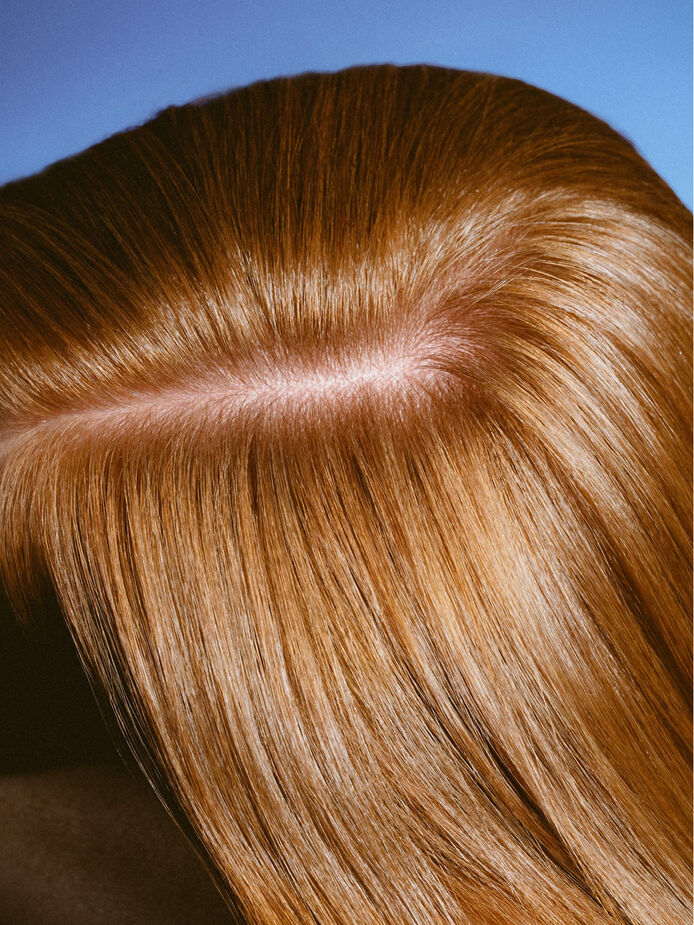
Hair that breaks easily, loses density, and lacks shine and vitality can appear more fragile over time or at specific life stages. Understanding the causes of these changes enables you to take the right steps to strengthen and revitalize your hair, restoring it to a healthy, thick and nourished state.

Why does hair become more fragile?
Hair does not grow continuously. It follows a natural cycle, alternating between a growth phase (anagen), a resting phase (catagen) and a shedding phase (telogen). Some internal or external factors can disrupt this cycle and gradually affect the quality, density, or vitality of the hair. These factors include:
• Hormonal changes
Hormonal shifts, such as those experienced after childbirth or during menopause, can alter the natural cycle of hair growth and renewal.
Stress and fatigue
A hectic period, a lack of sleep or prolonged tiredness can sometimes affect the quality and vitality of your hair.
• External aggressors
Repeated colour treatments, heat styling, pollution, UV rays, chlorine, and seawater can gradually weaken the hair fibre.
• Nutritional deficiencies
Protein, iron, zinc and certain vitamins play an important role in keeping hair strong and healthy.
• Hair aging
As we get older, our hair can become finer, less resilient and lose some of its density.
What hair care routine should you follow to strengthen and revitalize your hair?
Strengthening and revitalizing your hair involves a two-pronged approach: correcting the visible signs of damage (thinning, loss of density, lack of shine) whilst boosting the hair's vitality day after day.
Step 1: cleanse gently
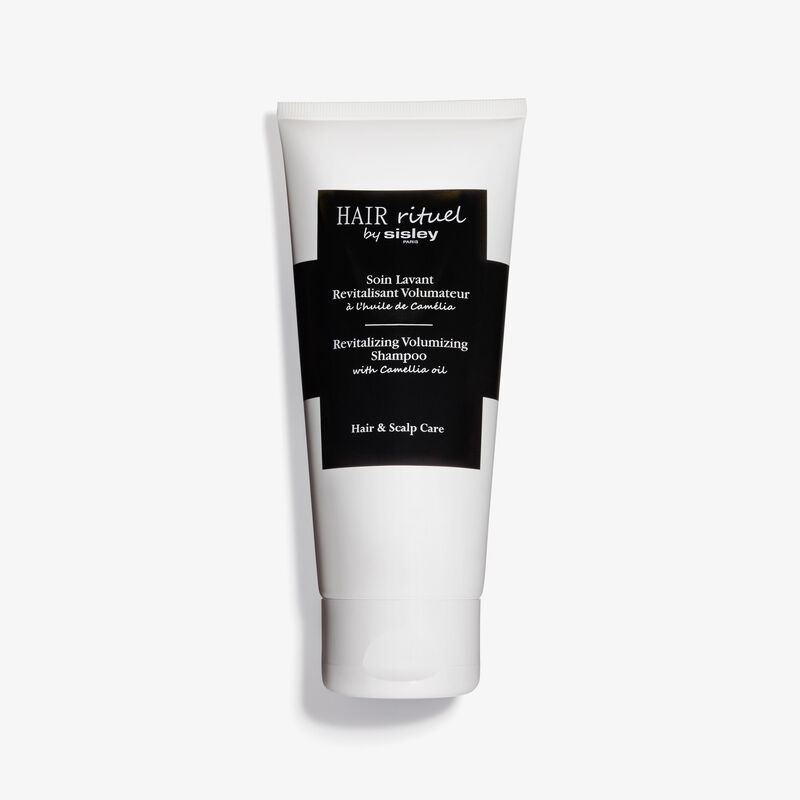
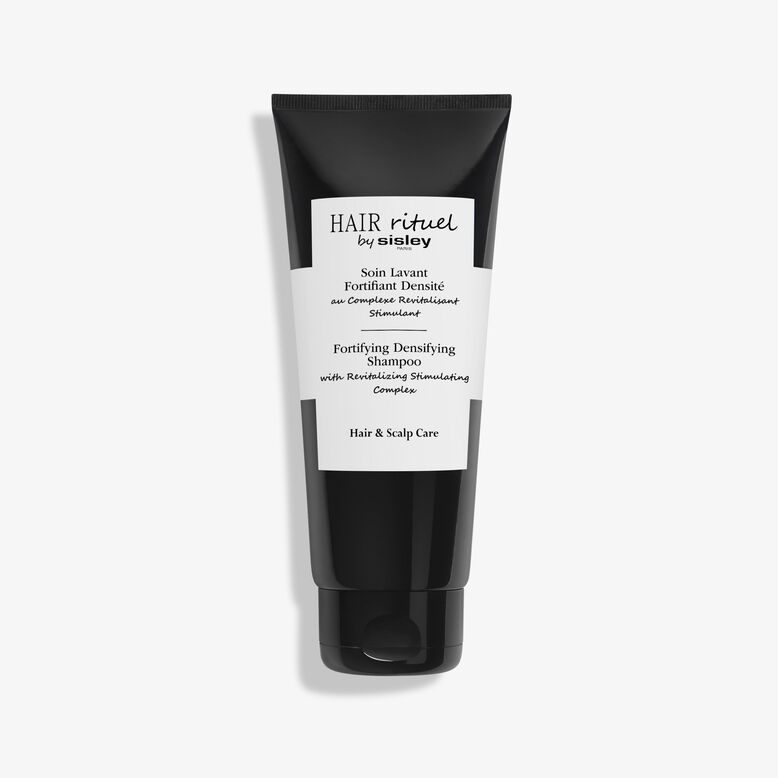
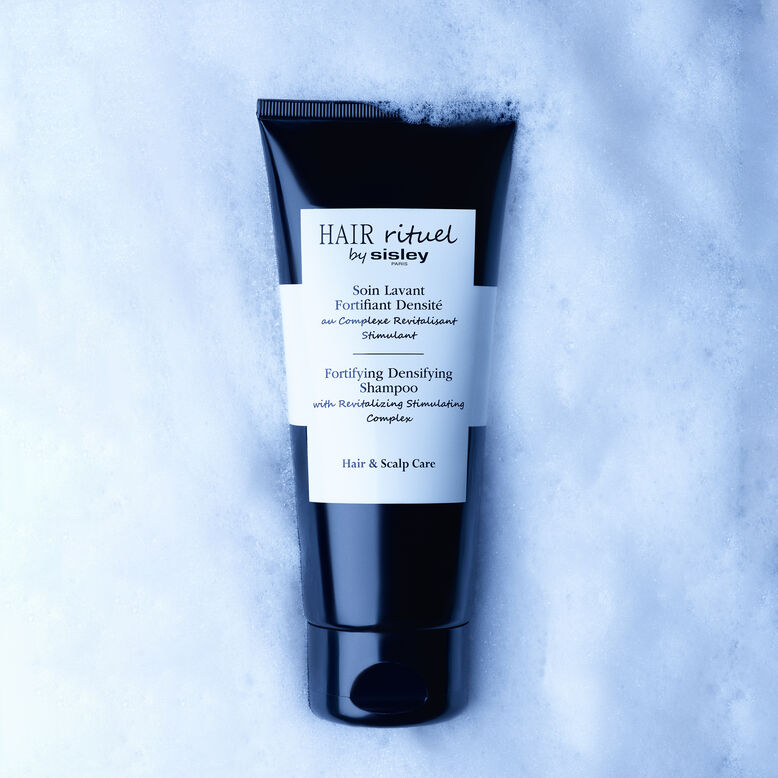
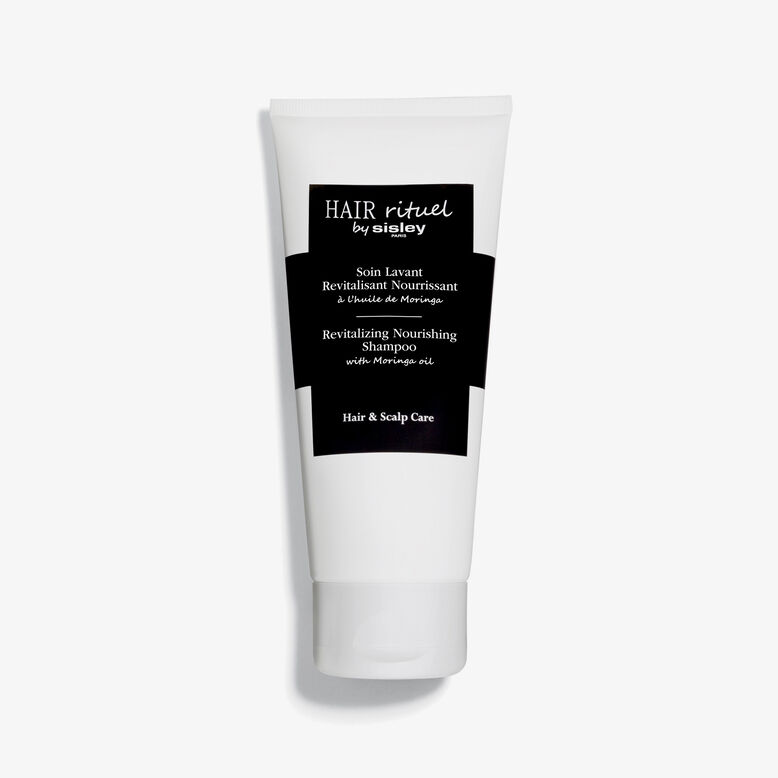
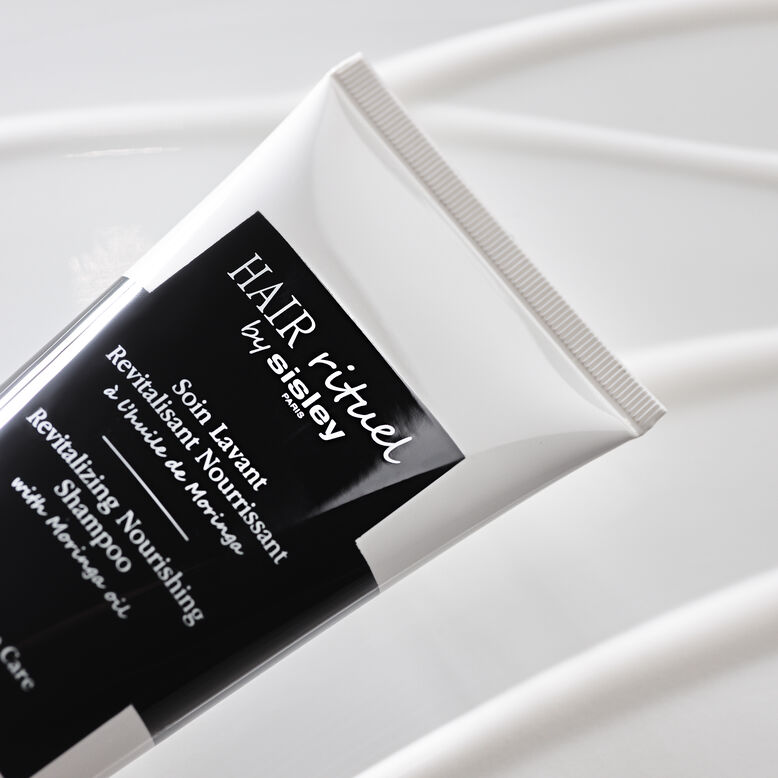
Starting with your hair wash, choosing the right shampoo is the first essential step in strengthening the hair fibre. If your hair is becoming thinner, more brittle and lacking in vitality, you need to take targeted action. Depending on the specific needs of your hair, some formulas may be preferable:
• A densifying shampoo for thinning hair and hair losing density
• A nourishing shampoo for dry hair that lacks elasticity
• A strengthening shampoo for brittle and weakened hair.
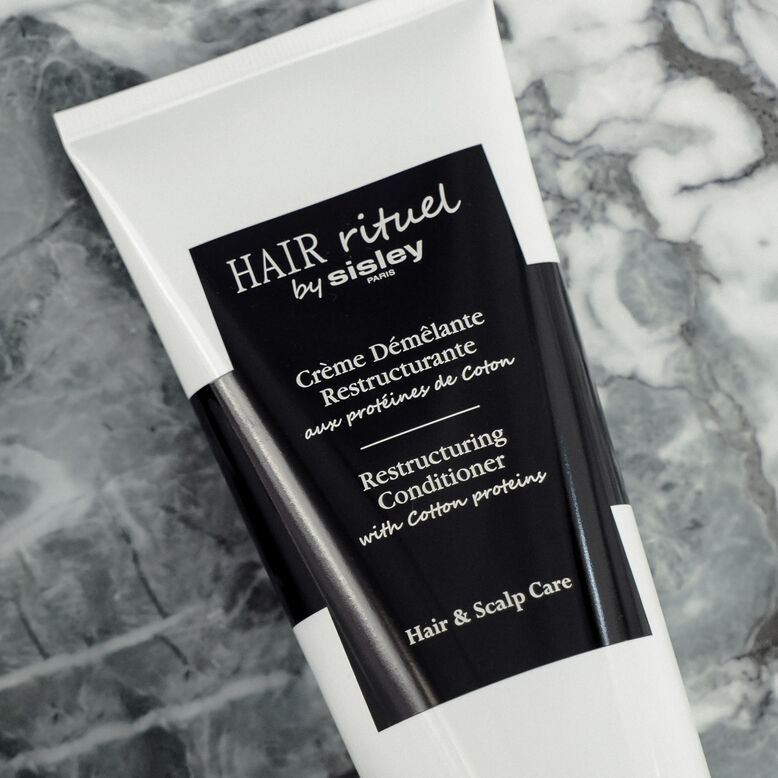
Step 2: detangle and strengthen
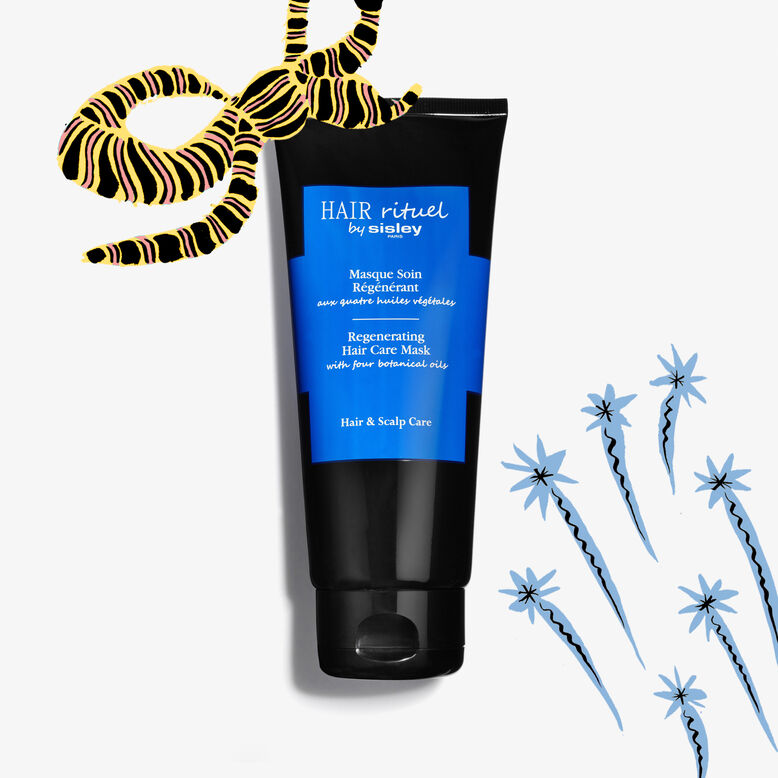
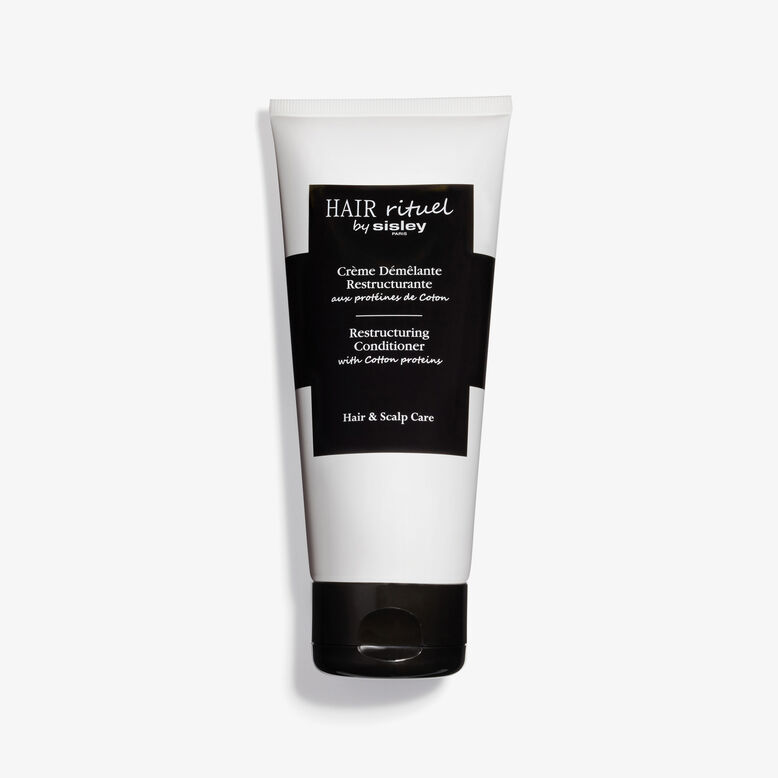
After washing, hair is more vulnerable to mechanical stress such as rubbing with a towel or brushing. This is because, when wet, the cuticle scales lift and the structure of the hair fibre is temporarily altered, which can cause the hair to tangle or even break if it is brushed too roughly. This is where a detangling treatment comes in, providing an initial level of care with lipid-replenishing and restructuring active ingredients that smooth the cuticles and fill in gaps, making styling easier. To strengthen hair and boost its resilience, regular use of a hair mask helps to complement this restructuring action in a targeted way.

Step 3: treat at the root
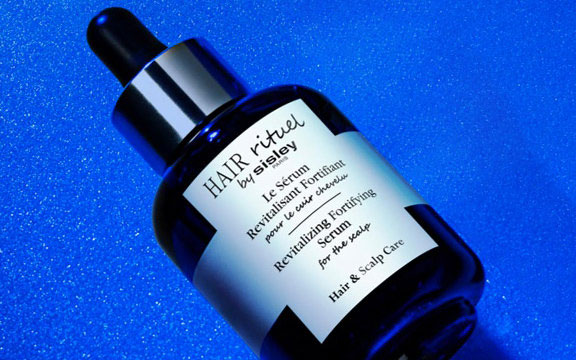
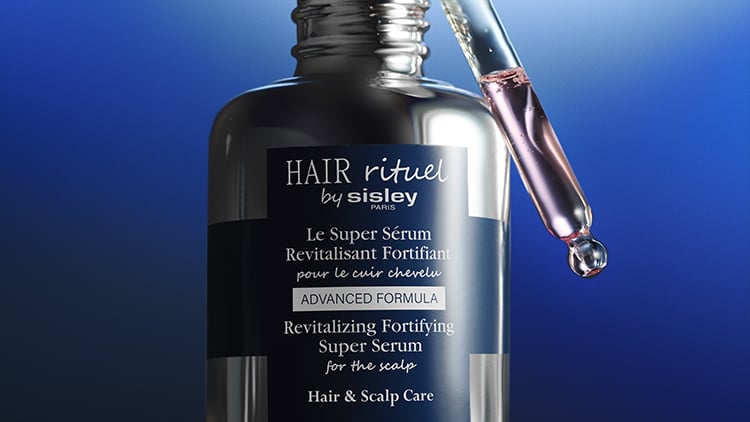
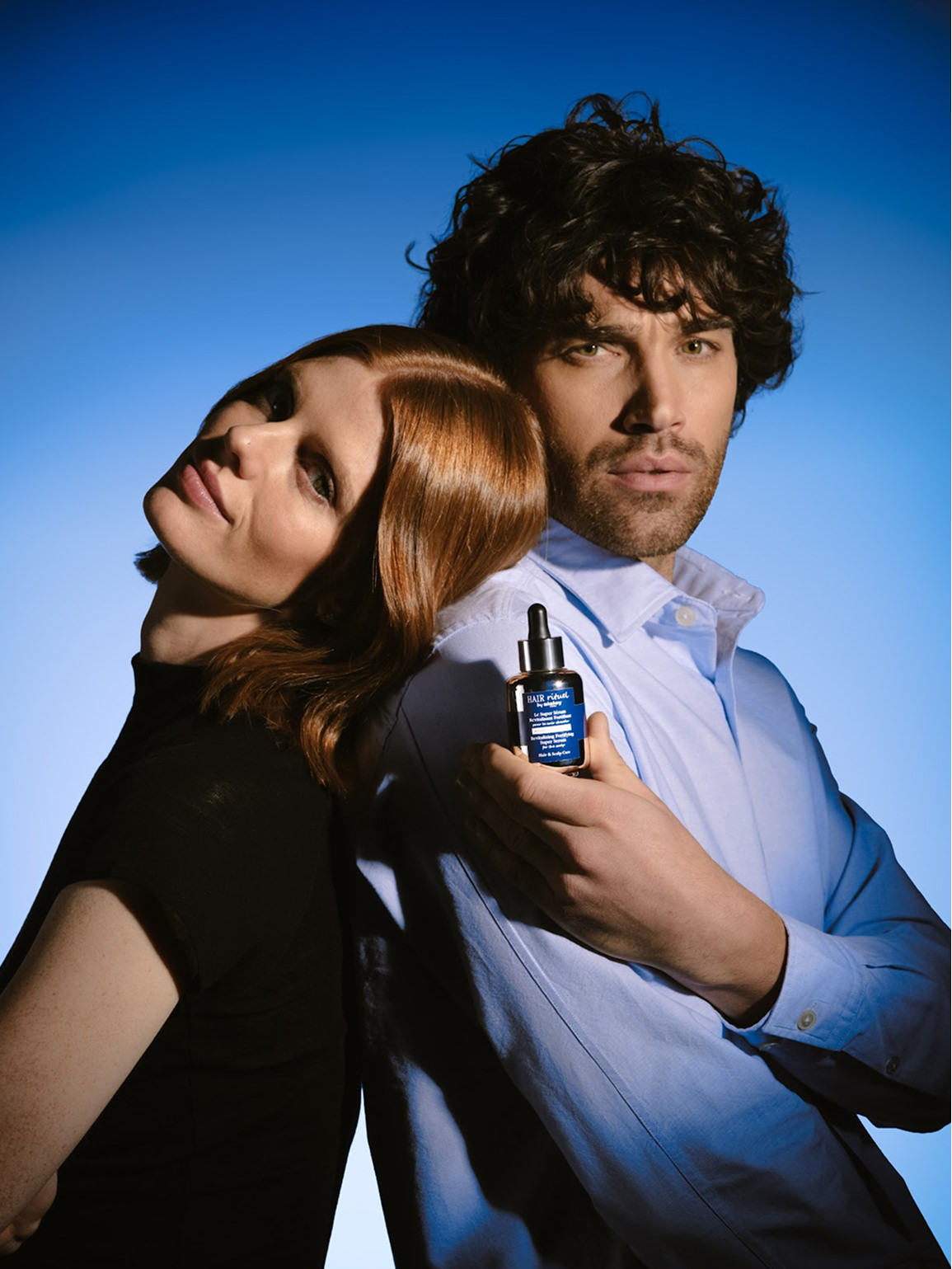
The scalp plays a vital role in the quality of the hair. Applied directly to the roots, first as an intensive treatment and then as part of a maintenance routine, a targeted serum can address several needs at once:
restoring strength to hair lacking vitality, helping to combat a loss of density, and supporting overall hair health.


Step 4: enhance the hair fibre
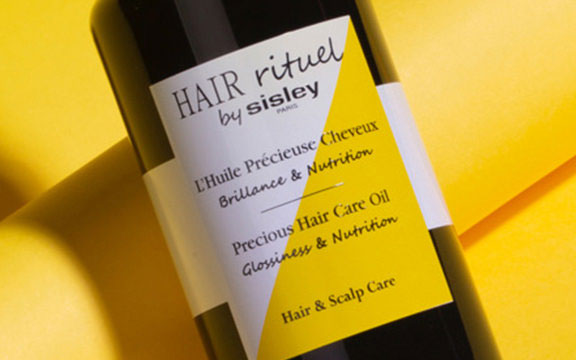
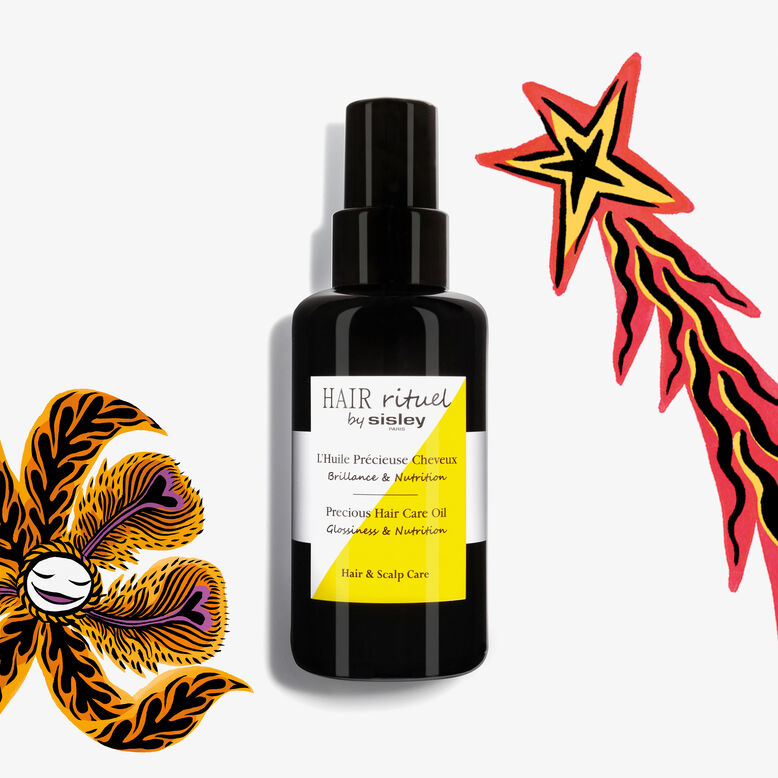
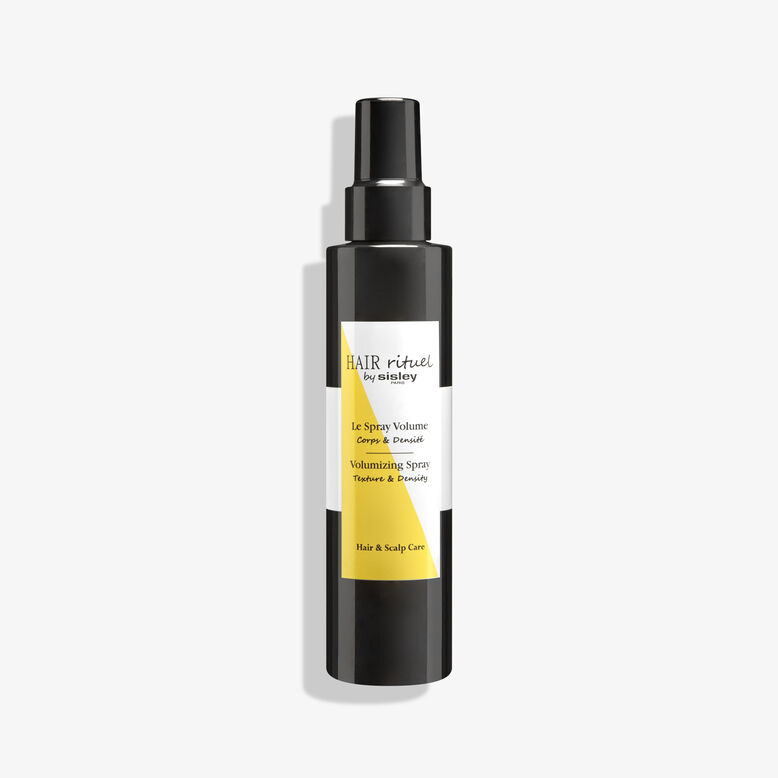
Hair oils target the hair fibre directly to improve its appearance by nourishing it and leaving it soft and shiny. In addition, texturizing beauty treatments and styling coat the hair and restore body. They instantly give the hair a visibly denser, fuller and more vibrant appearance.

$165.00
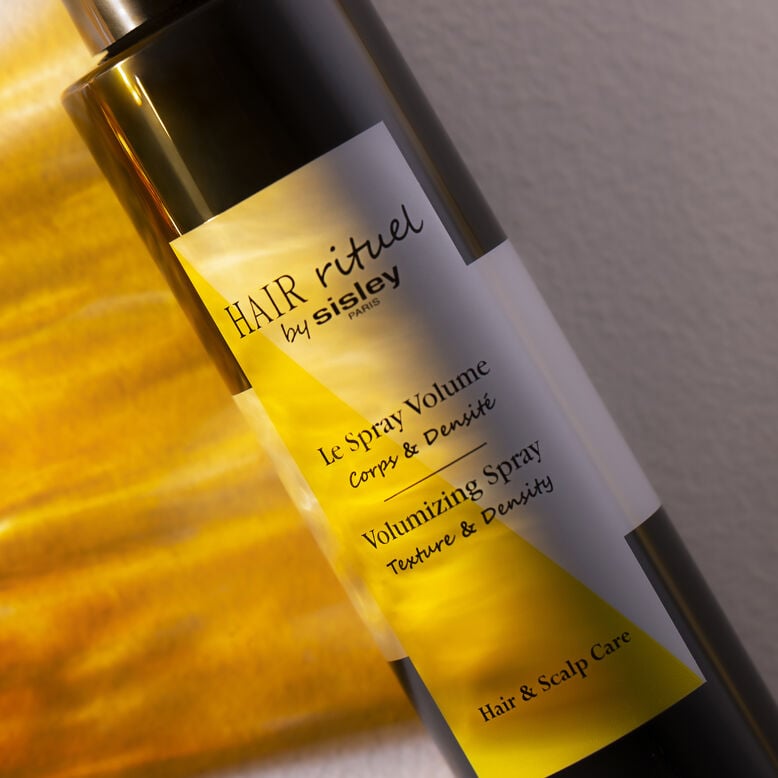
$140.00
Step 5: protect against external damage
On a day-to-day basis, hair is exposed to a whole host of stresses: UV rays, pollution, humidity, etc. Repeated over time, these can weaken the hair fibre and impair its quality. Protective treatments create a shield around the hair to preserve the benefits of your haircare routine, a key step that must not be overlooked if you want to strengthen and revitalize your hair day after day.
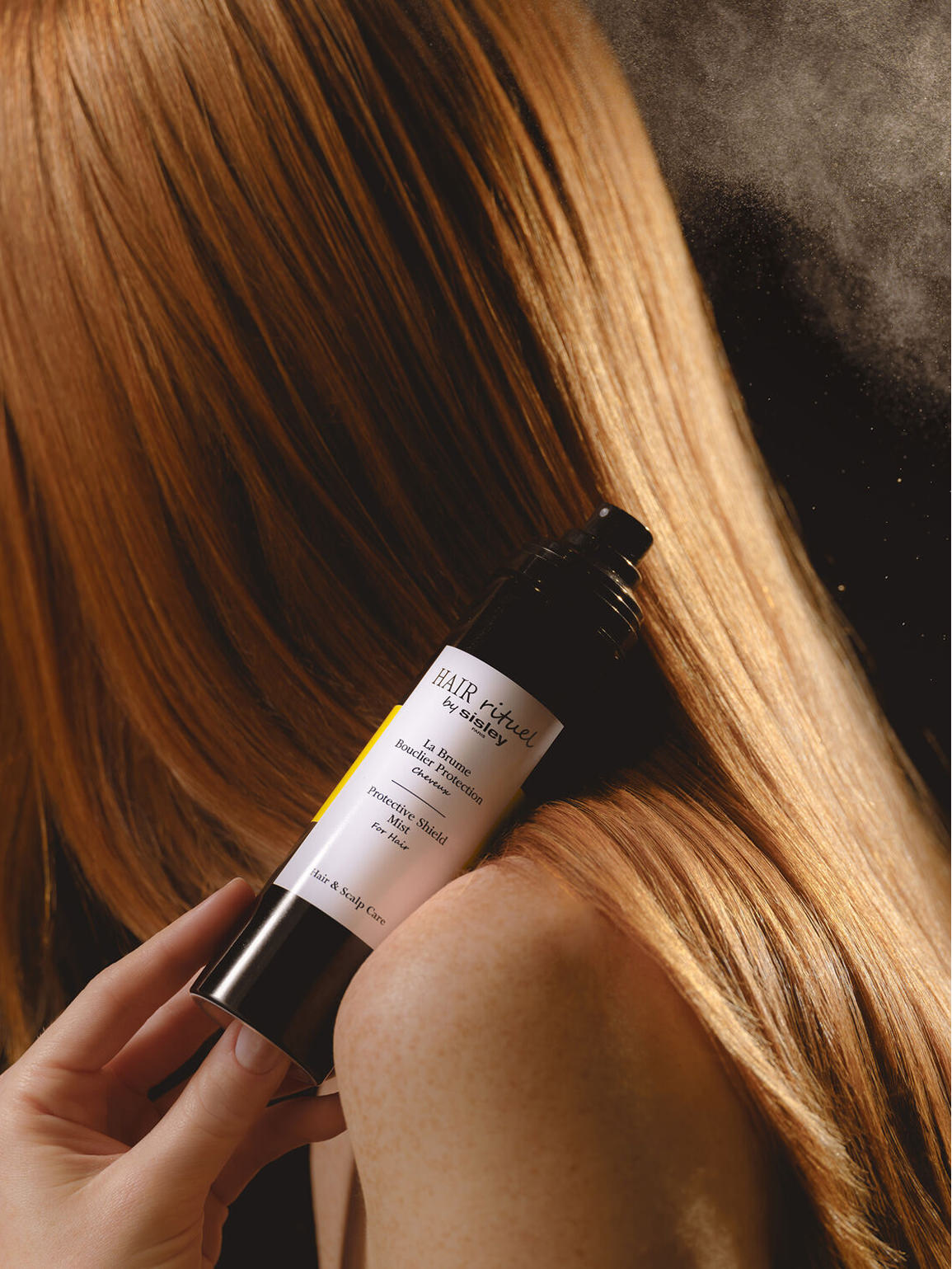
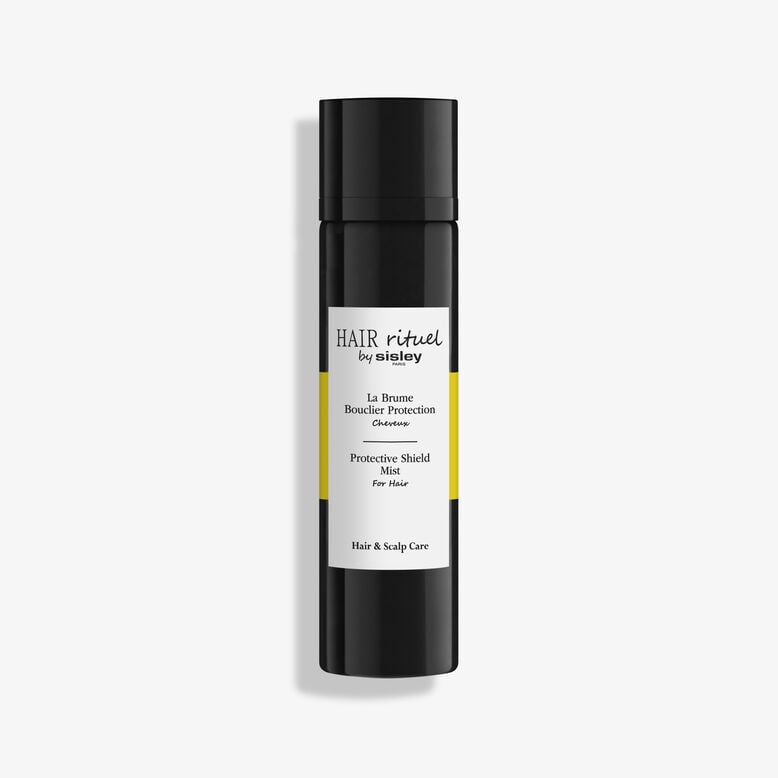
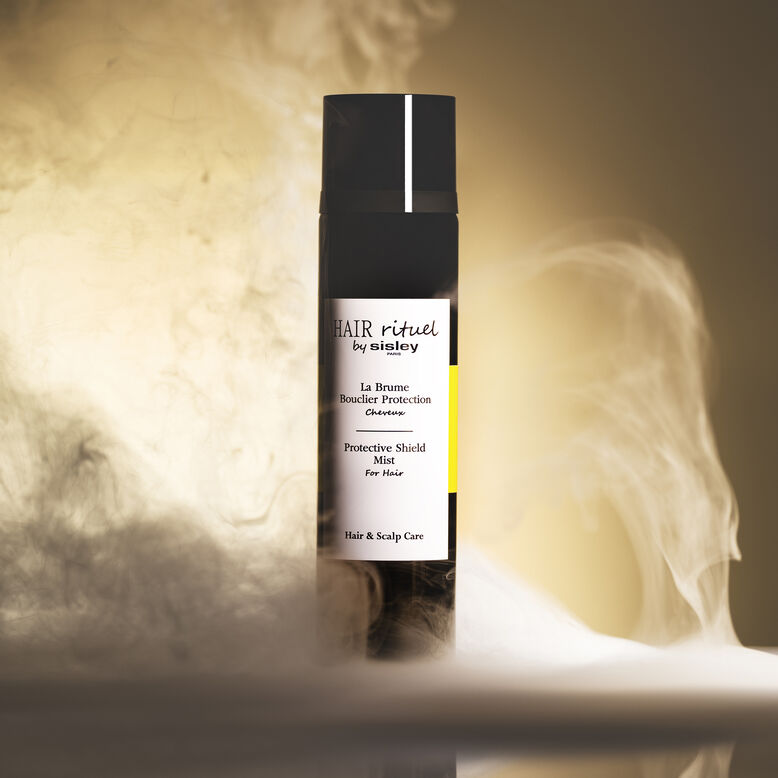
$140.00
Your questions on how to strengthen and revitalize your hair
How long does it take to strengthen and revitalize your hair?
Hair follows a slow natural cycle: it takes several weeks, or even several months, to see lasting changes. That's how long it takes hair care treatments to strengthen the hair fibre and work on the scalp, resulting in stronger, more resilient regrowth. However, you can achieve an immediate cosmetic result with styling and texturizing products. By targeting the surface of existing hair, they instantly add softness, shine, or volume. To combine instant beauty with long-lasting results, consistency is key.
What is the difference between fragile hair and brittle hair?
Hair is considered to be fragile when its protective barrier is compromised: the cuticle scales lift and the hair fibre becomes porous. It is therefore more vulnerable to external damage but retains its overall physical integrity. Brittle hair, on the other hand, has undergone a profound change. Its internal structure (keratin) is so damaged that the hair fibre can no longer ‘absorb’ mechanical stress: it snaps cleanly at the slightest strain, such as when brushed or blow-dried.
Is fine hair necessarily more fragile?
Yes. The small diameter of fine hair makes it naturally more vulnerable to tension and damage, and it tends to lack volume. However, being more fragile does not mean it is damaged: in the absence of thermal or chemical stress, its structure remains intact. The right haircare and styling products can help protect your hair and give it more body and volume, for visibly fuller hair.
How can you brush fragile hair without breaking it?
The secret lies in gently detangling your hair – and it's essential to do this on dry hair. To prevent breakage, you should start at the ends and then work your way gradually up towards the roots to prevent knots from forming. A boar-bristle brush is ideal: this natural material is gentle on the hair fibre and distributes the protective sebum throughout the hair. Brushing your hair once in the morning and once in the evening is more than enough to tame it without ever causing damage.
Does washing your hair every day make it fragile?
Yes and no. It all depends on your scalp type, the sensitivity of your hair and the shampoo you use. However, washing your hair too often may strip away the natural oils produced at the roots, which lubricate and protect the hair fibre. To keep your hair in the best possible condition, it's best to aim for two to three washes a week.