




Skin concerns
How to combat shiny skin, blemishes, and imperfections
Combination to oily skin suffers from shine and blemishes. What causes these skin problems? A disturbance in the production of sebum which clogs the pores. Skin is less even, the complexion is blurred and skin blemishes may appear. Shiny skin, on the other hand, mainly affects the T-zone: forehead, nose and chin. What can be done about it? Maintain an adapted skincare brightening routine, composed of rebalancing and gentle purifying products, while making sure to respect a healthy lifestyle.

Good habits
Cleanse your skin deep down
It is essential to cleanse combination to oily skin deep down. Do this by thoroughly removing make-up and using a mild face cleanser afterwards. Remember to exfoliate your skin two or three times a week with a face scrub. This will remove dead cells and restore skin brightening.
Eat a healthy diet
Lifestyle plays an important role in skin brightening and combatting skin imperfections. It is important to drink a lot of water in the daytime and to avoid foods high in fat and sugar as they can impair bodily function and have an impact on the skin’s balance.
Choose the right textures
Combination to oily skin needs light, aqueous textures to moisturise skin without “overloading” it. It doesn’t need oils or rich textures for comfort, as these skincare products are more suited to dry skin.
Keep it gentle
Although it might seem counter-intuitive, shiny skin and skin blemishes need to be treated gently, so forget about harsh products! They strip skin of its natural oils and irritate it. In response to this, skin stimulates excess sebum production to protect itself. Choose mild skin brightening formulas that provide skin with all the care it needs.
Protect your skin
The sun tends to dry out skin imperfections while also leaving skin thicker, which blocks pores during the summer. This may lead to a “rebound” effect in the autumn. Skin reacts to this source of aggression, which often causes the delayed appearance of skin blemishes. It is therefore essential to protect the skin from the sun’s rays by using facial suncare suited to your skin type.
The anti-shine and anti-blemish skincare routine
“The balancing routine”
Cleansing
Face cleansers
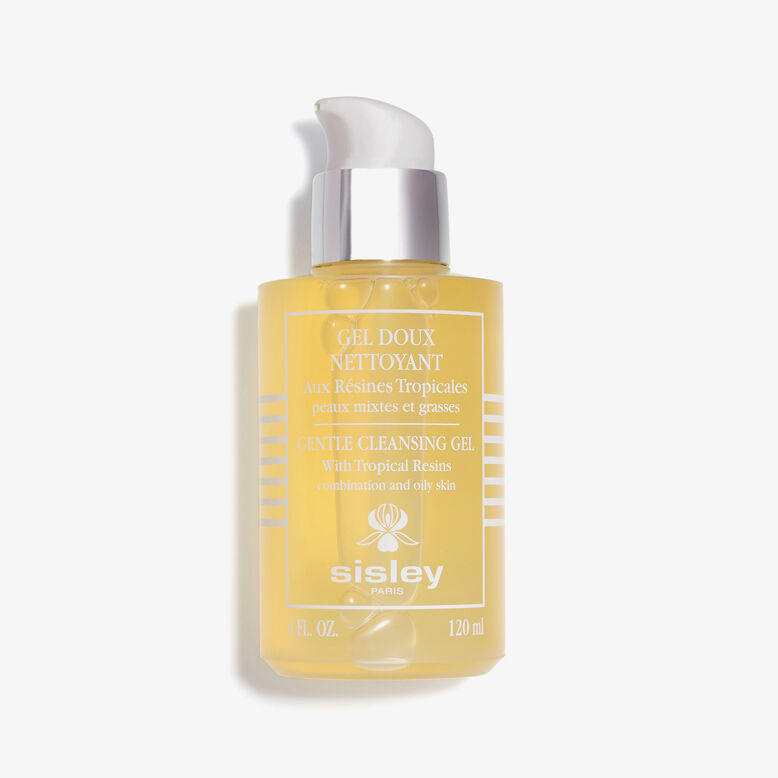
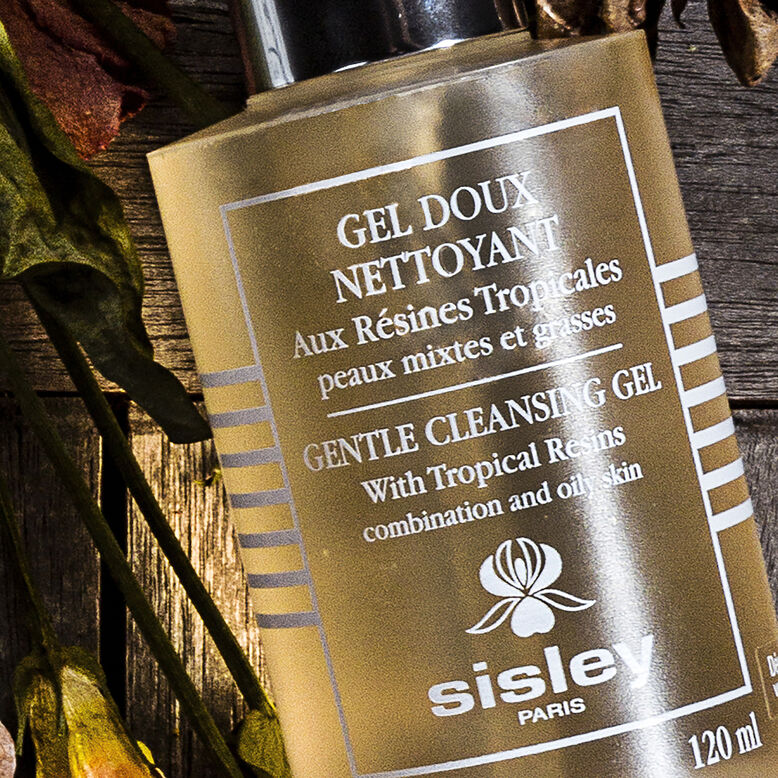
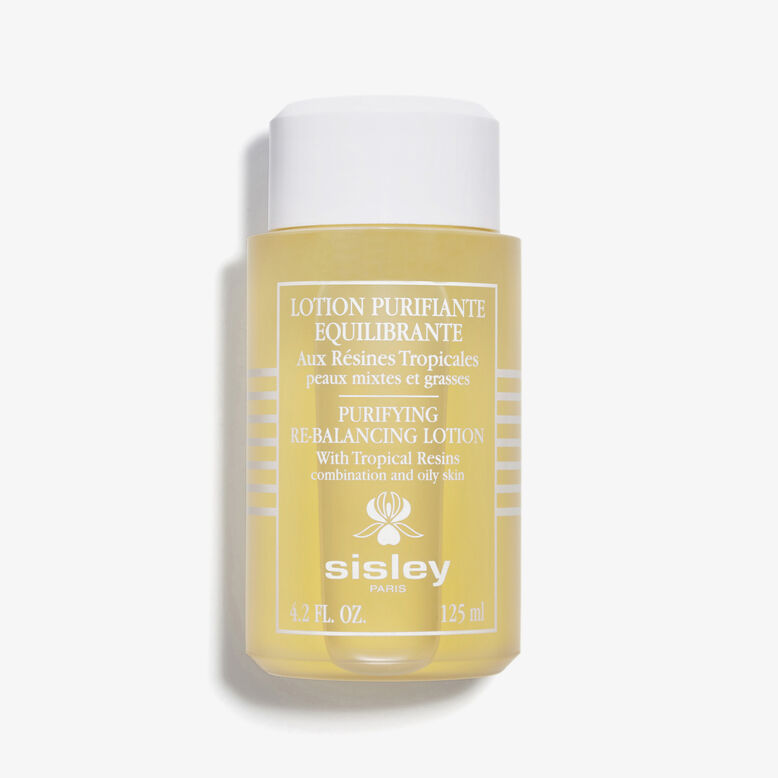
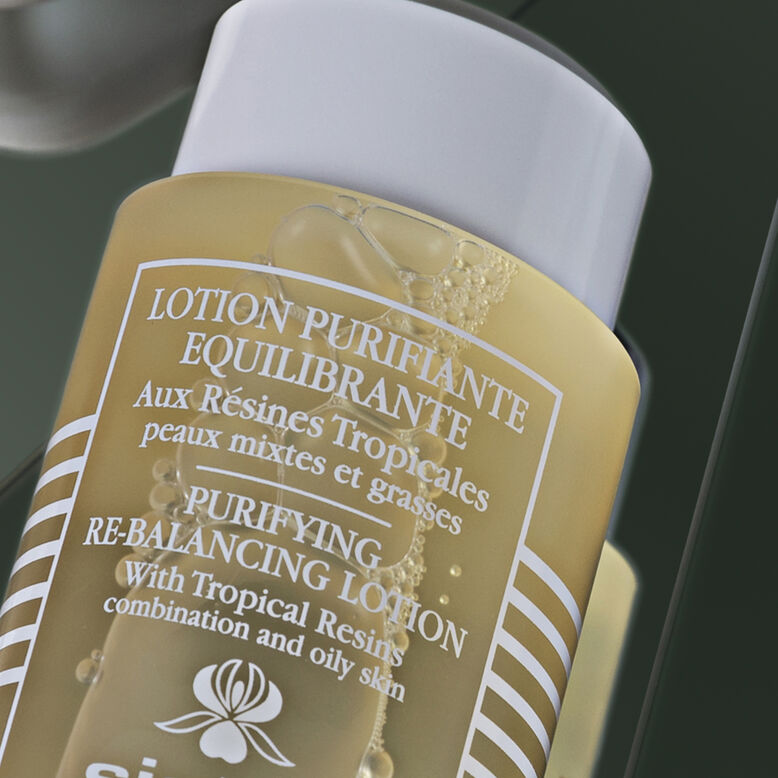
For purified, blemish-free and matte skin, you need a gentle rebalancing routine. But purifying does not mean being harsh on skin; it is possible to reduce shine and blackheads while moisturising and comforting skin. Cleanse it morning and evening with a mild cleansing gel and a toning lotion.
Here are the essential active ingredients that Sisley use to gently cleanse your skin:
• INCENSE AND MYRRH EXTRACTS: soothes.
• GLYCERIN OF VEGETABLE ORIGIN: moisturises and softens.
• SALICYLIC ACID: exfoliates and soothes.
Find the complete list of ingredients on each product page
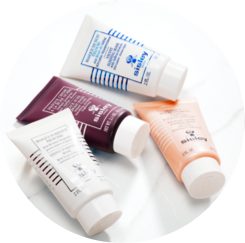
Discover the selection
Deep cleansing
Face scrub and masks
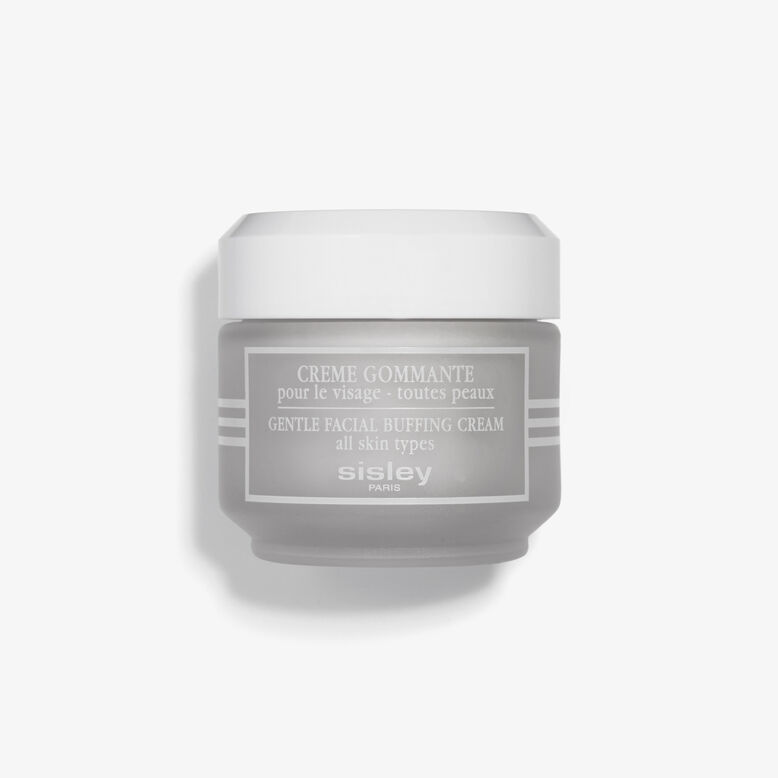
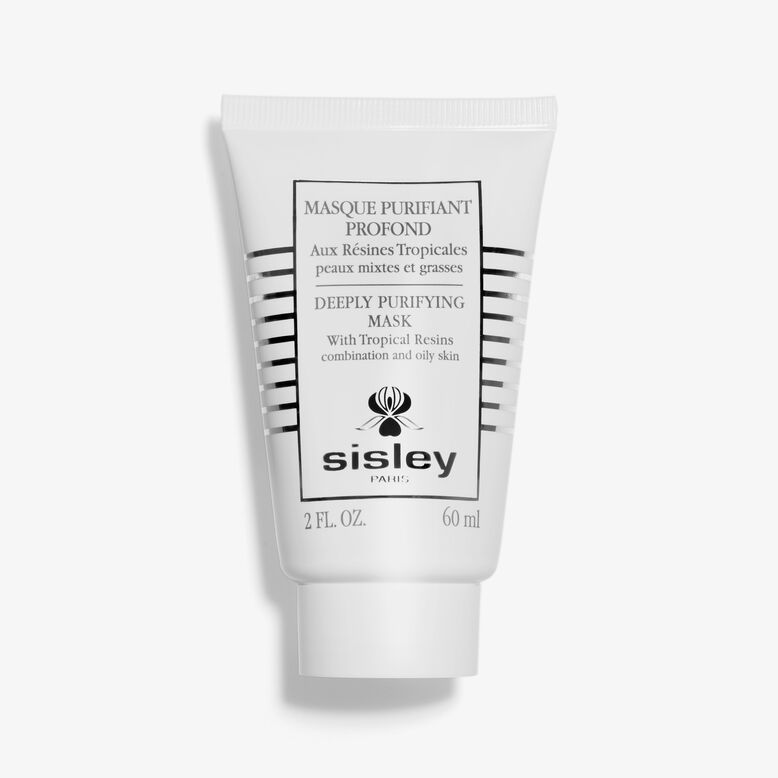
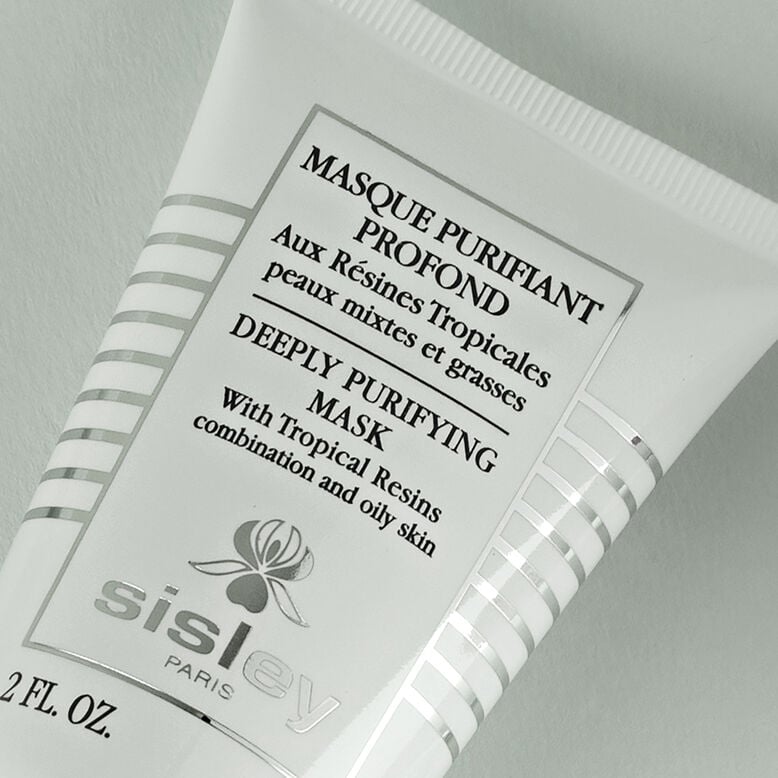
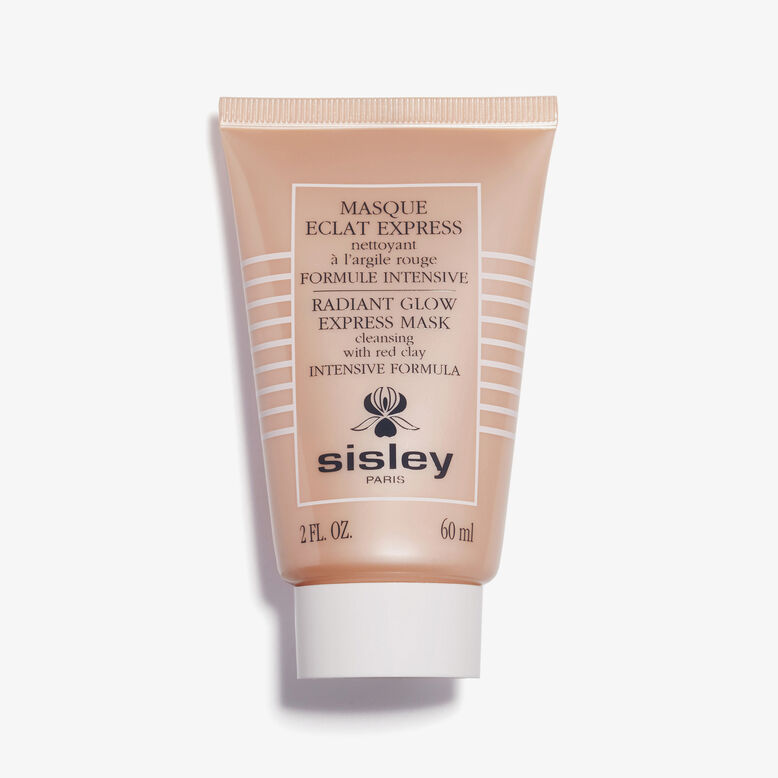
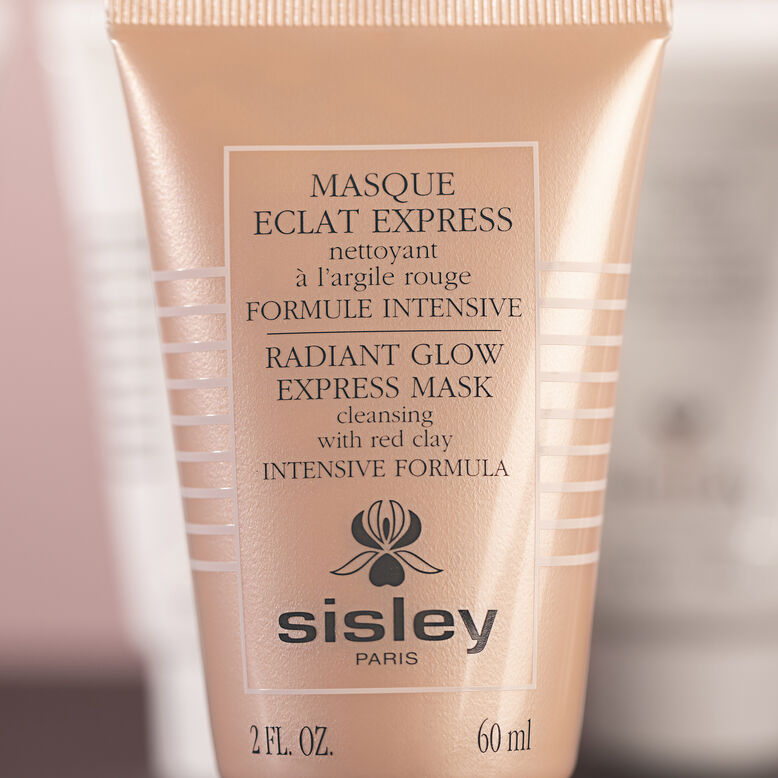
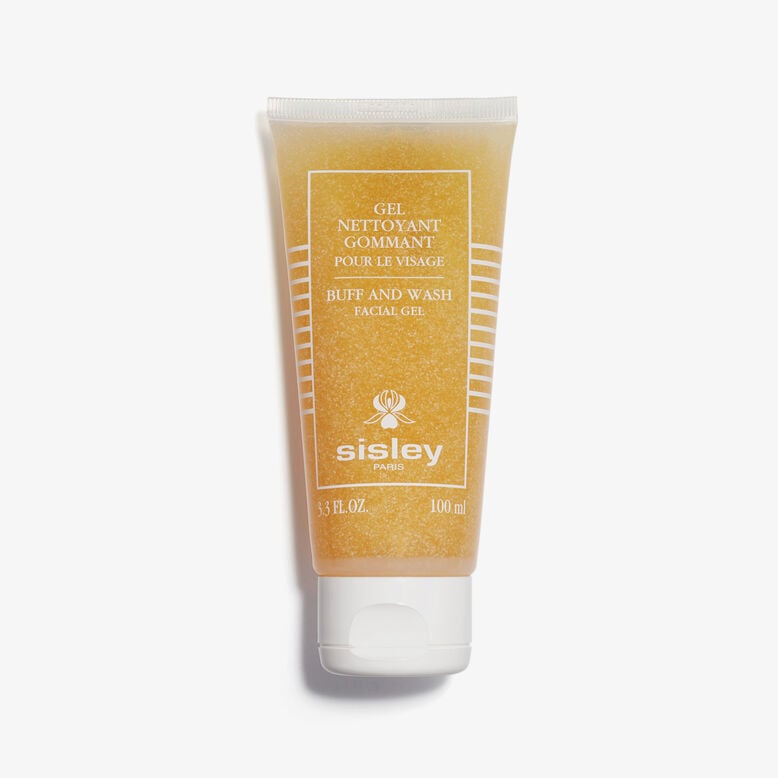
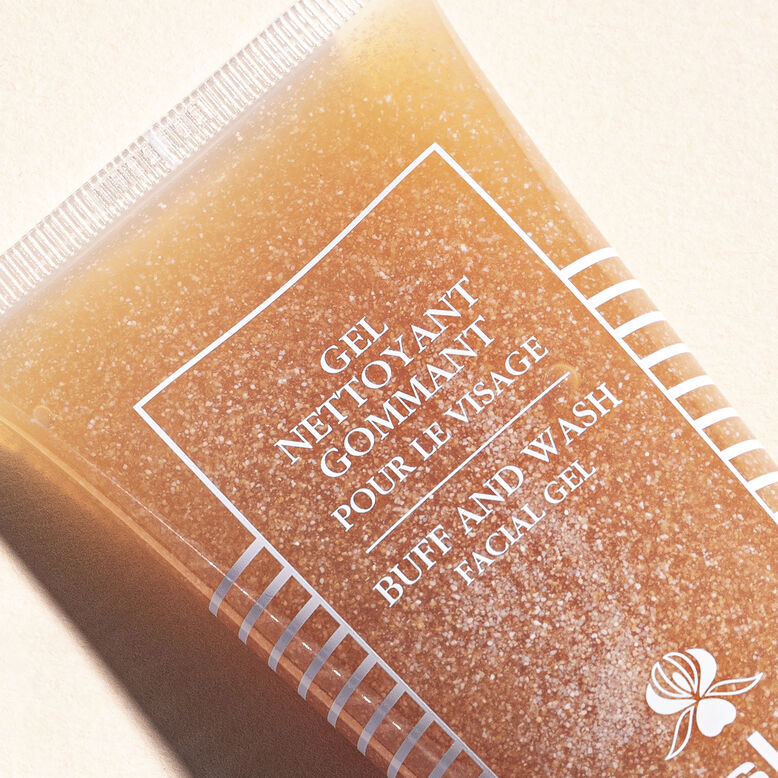
Two or three times a week, use a face scrub followed by a purifying mask. These two skincare brightening products will give glowy skin and a refined skin texture by removing the dead cells and impurities that dull its beauty.
Here are the essential active ingredients that Sisley use to deeply cleanse your skin:
• ROSEMARY: cleanses and stimulates.
• BENZOIN EXTRACT: intensely purifies the skin.
• WHITE CLAY: absorbs excess sebum.
Find the complete list of ingredients on each product page
Discover the selection
Treating skin imperfections
Targeted skincare
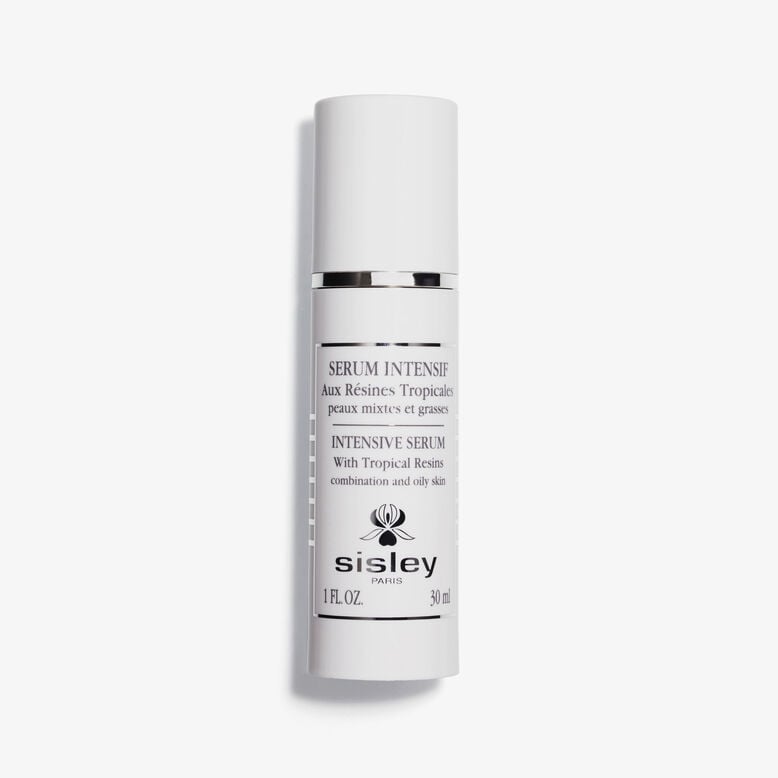
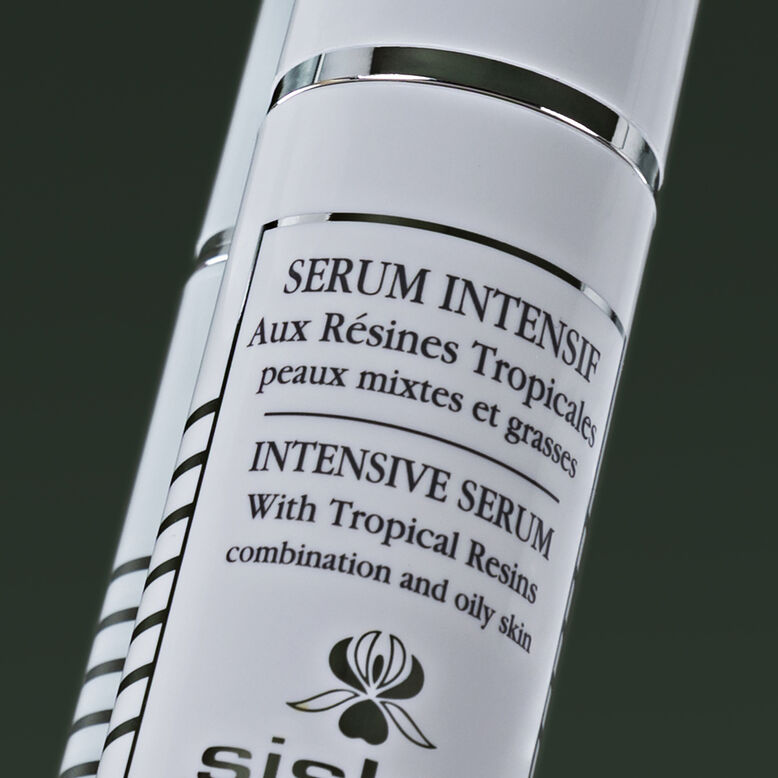
If you occasionally suffer from skin imperfections, add a purifying serum to your routine. When combined with the other products in your beauty ritual, its powerful key ingredients will help unclog pores, refine skin’s texture and visibly reduce skin blemishes. If a spot appears, you can treat it by applying the serum locally. It should disappear in a few days’ time.
Here are the essential active ingredients that Sisley use to treat your skin imperfections:
• JAVA TEA EXTRACT: reduces excess sebum.
• JBAMBOO POWDER: mattifies.
• JBURDOCK EXTRACT: purifies and rebalances.
Find the complete list of ingredients on each product page
Discover the selection
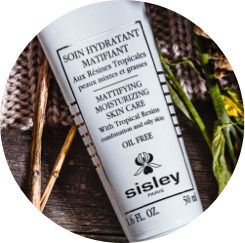
Mattifying
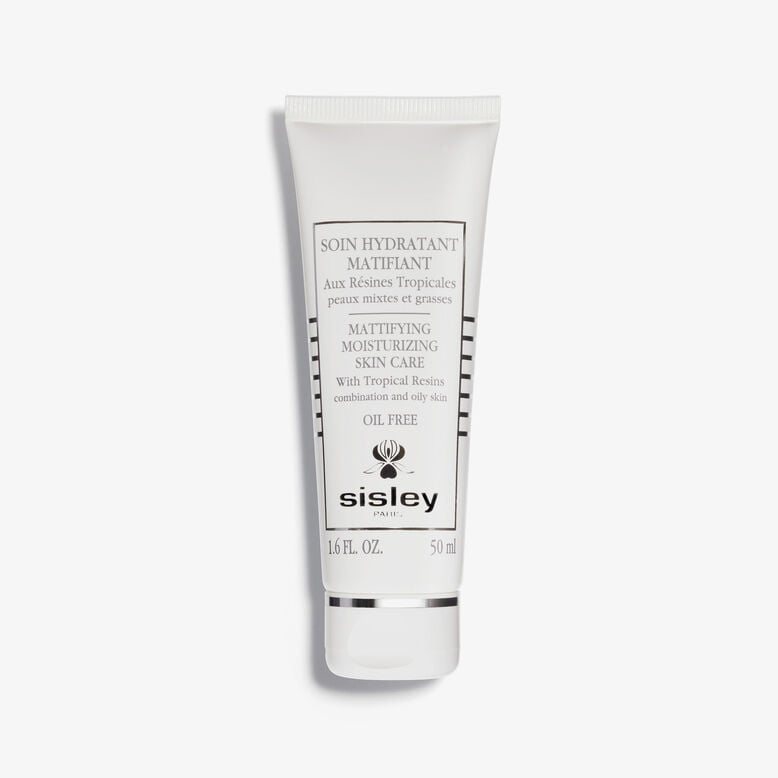
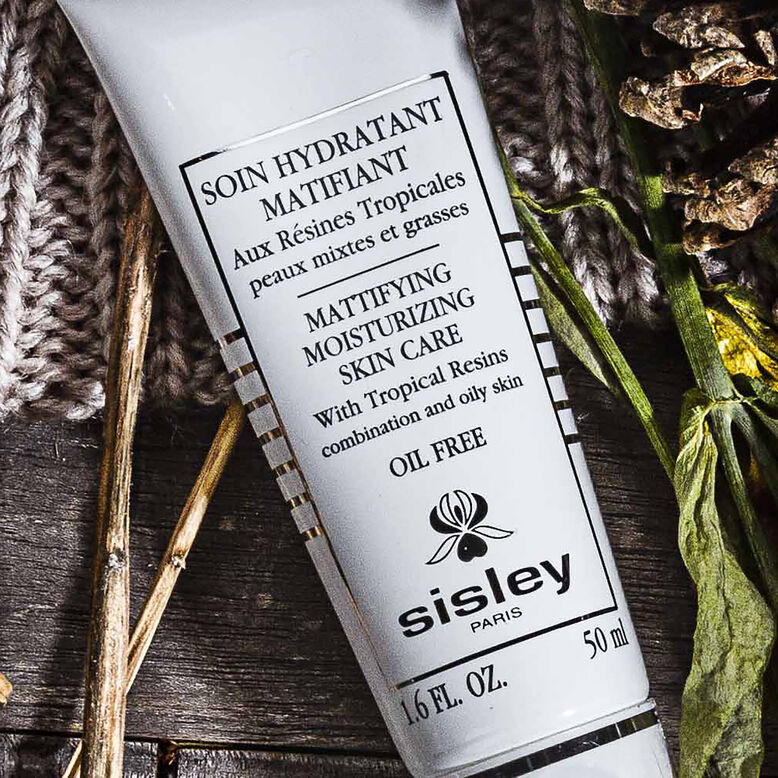
Mattifying facial skincare
Shiny skin can result in an uneven skintone. To neutralise shiny skin, use mattifying daily skincare. The ideal option is a mattifying moisturiser, which will reduce areas of shine while leaving skin comfortable and supple.
Here are the essential active ingredients that Sisley use to moisturise and mattify your skin:
• EXTRACTS OF INCENSE AND MYRRH: soothes.
• BENZOIN EXTRACT: intensely purifies the skin.
• MARSHMALLOW EXTRACT: moisturises the skin by delivering molecules able to retain water.
Find the complete list of ingredients on each product page
Discover the selection
Any questions?
Why do I have shiny skin?
Combination to oily skin suffers from imbalanced sebaceous glands. They produce excess sebum, which leads to shiny skin around the T-zone and may cause blemishes to appear. This imbalance may be genetic, the result of a skin routine that is unsuitable for your skin type, or due to an excessively rich diet.
Should I moisturise my skin blemishes or shiny skin?
Yes, all skin types need moisture, i.e. water. It is the key to beautiful skin. It is important to moisturise it daily as part of your skin routine, but you should also make sure you drink enough water during the day. However, you should avoid skincare brightening that contains lipids or oils. Combination to oily skin produces enough of these naturally.
How can I get clear, matte skin?
To refine skin’s texture, use a face scrub and a purifying face mask once a week. For clear skin free from impurities, pollution and make-up, never skip make-up removal and cleansing in the evening. Use mattifying daily skincare to reduce areas of shine and restore even and matte skin.
Where is the T-zone?
The T-zone is made up of the forehead, nose, and chin. In people with combination to oily skin, this area is prone to shine, skin blemishes, and skin imperfections. Its pores are also more dilated than on the rest of the face.
LE MAGAZINE
Skin blemishes: what are the causes and how can they be treated?
Skin problems do not always disappear by the end of adolescence. In adulthood, they often occur without warning, triggered by a spike in stress, pollution in your environment or hormonal fluctuations. Whether they are temporary or more persistent, they are not inevitable: by understanding how they work, it becomes much easier to restore a clear complexion and minimise their recurrence.

What are the different types of skin imperfections?
Skin imperfections are irregularities that indicate an imbalance in the skin's functioning. They come in various forms, which may occur at the same time:
- Shine: excess sebum, often concentrated in the T-zone, makes the face look shiny.
- Enlarged pores: pores that have become enlarged and are visible to the naked eye, associated with excess sebum.
- Blackheads: clogged sebum and dead skin cells that have turned black as a result of oxidation on contact with the air.
- Whiteheads (microcysts): build-up of sebum and dead skin cells beneath the skin's surface, protected from the air and therefore from oxidation.
- Inflammatory spots: lesions caused by the C. acnes bacterium, which, by multiplying in the sebum of a blocked pore, releases irritants that trigger an immune response leading to the formation of papules, pustules or nodules.
- Residual marks and scars: changes in skin pigmentation or texture following the healing of an inflamed spot.
Why do skin imperfections appear?
The development of skin imperfections is influenced by several closely related mechanisms:
- A change in sebum: as a result of various factors (such as hormonal fluctuations or stress), sebum is produced in excess and its composition is altered. It becomes thicker, which can lead to blocked pores.
- A build-up of dead cells: the natural process of shedding dead cells becomes disrupted. Dead skin cells build up, leading to blockages forming on the skin's surface.
- Growth of C. acnes bacteria: naturally present on the skin, this bacteria thrives in blocked pores and contributes to the development of inflammatory lesions.
- An inflammatory reaction: in response to these imbalances, the skin reacts, which can cause redness and spots.
These mechanisms can be influenced by various intrinsic and extrinsic factors, such as hormonal fluctuations, genetics, stress, pollution or the use of unsuitable products, all of which disrupt the skin's balance.
How can skin imperfections be treated?
The first-line treatment for mild to moderate skin imperfections relies on suitable cosmetic products. An effective anti-imperfection routine consists of four steps to treat existing blemishes and prevent new ones from appearing.
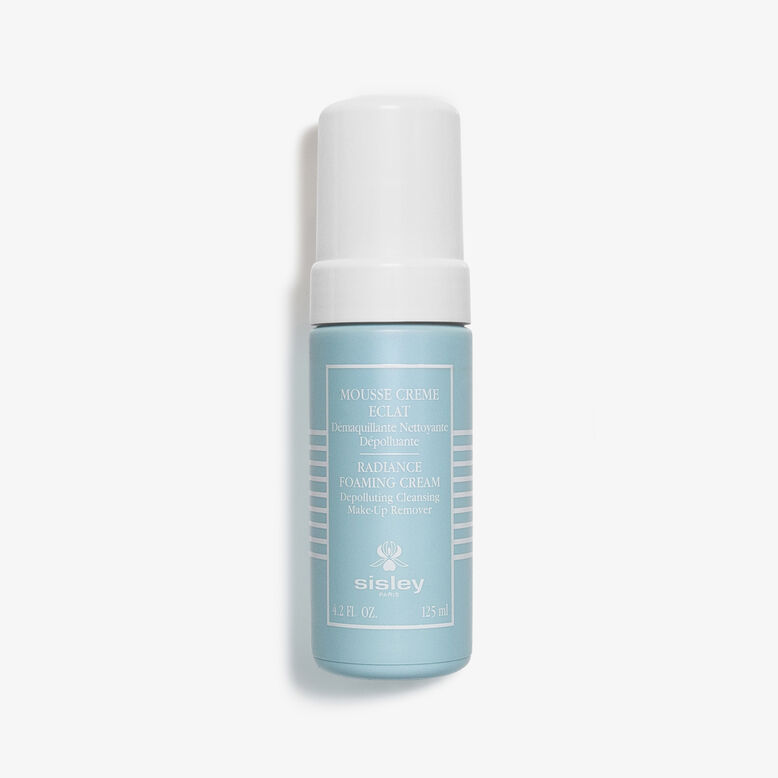
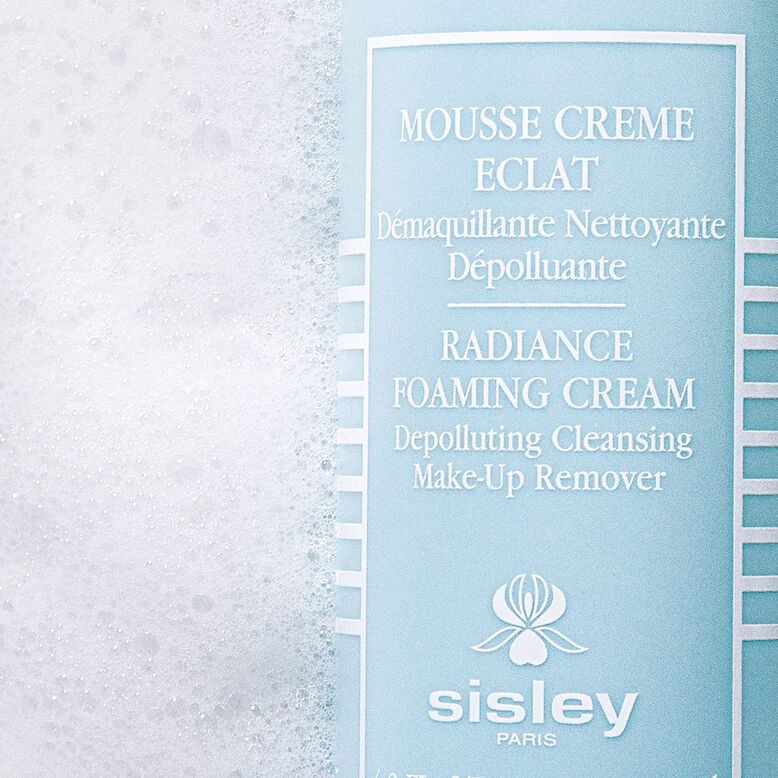
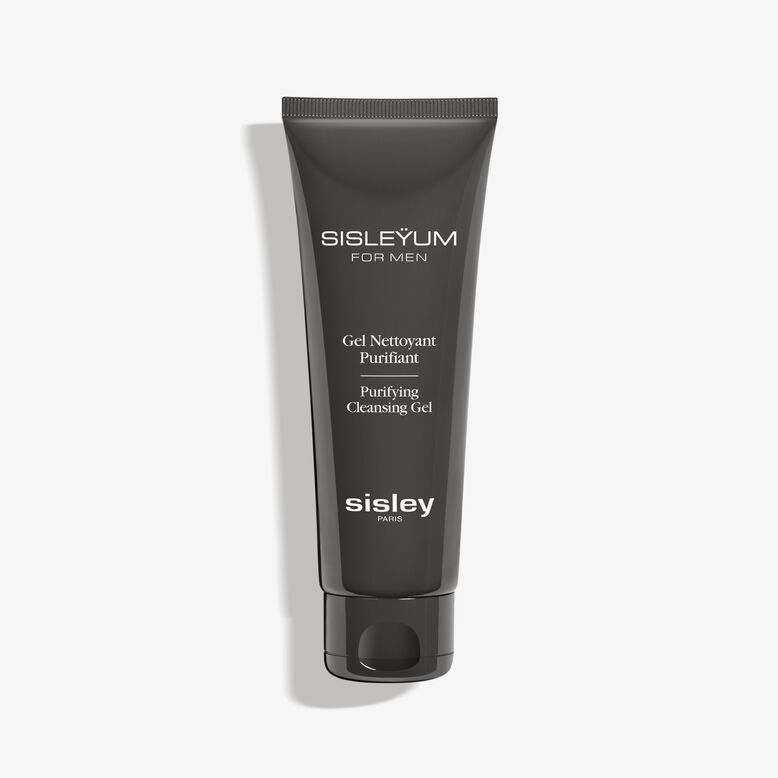
Step 1: Cleanse gently
Cleansing helps to remove excess sebum, impurities and traces of pollution that have built up throughout the day. When performed daily, it helps keep your skin clear by preventing pores from becoming blocked, which causes blackheads and spots to form.
For blemish-prone skin, cleansing should be gentle: formulas that are too harsh could weaken the skin barrier and, as a result, stimulate increased sebum production.
Step 2: Target skin imperfections
The use of specific, targeted skincare treatments helps to address the mechanisms that cause skin imperfections. The goal? Treat the causes, not just the symptoms.
This step can be supported by products for daily use, such as a treatment serum or a spot treatment, as well as supplementary products, such as face masks which you can use from time to time to boost the effectiveness of your skincare routine. It's up to you to create your own routine to suit your needs and preferences.


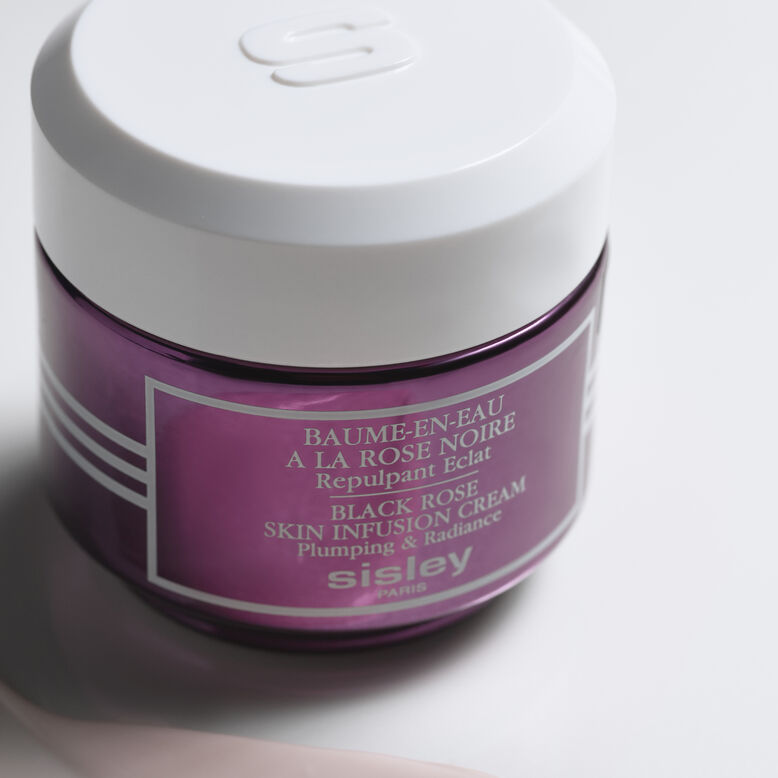
Step 3: Moisturise lightly
Even blemish-prone skin needs moisturising! When the skin is well hydrated, it's easier to maintain its balance. Conversely, when the skin is not sufficiently hydrated, it may react by producing more sebum, which perpetuates the cycle.
Choose a non-comedogenic formula with a light texture to provide the necessary hydration without causing unwanted shine or clogging your pores.


Step 4: Protect from UV rays
Exposure to UV rays can contribute to oxidative stress and inflammation, two mechanisms involved in the aggravation of skin imperfections. Whether preparing for prolonged sun exposure or just going about your daily routine, protecting your skin also helps to minimise the appearance of post-inflammatory hyperpigmentation and maintain a more even complexion.

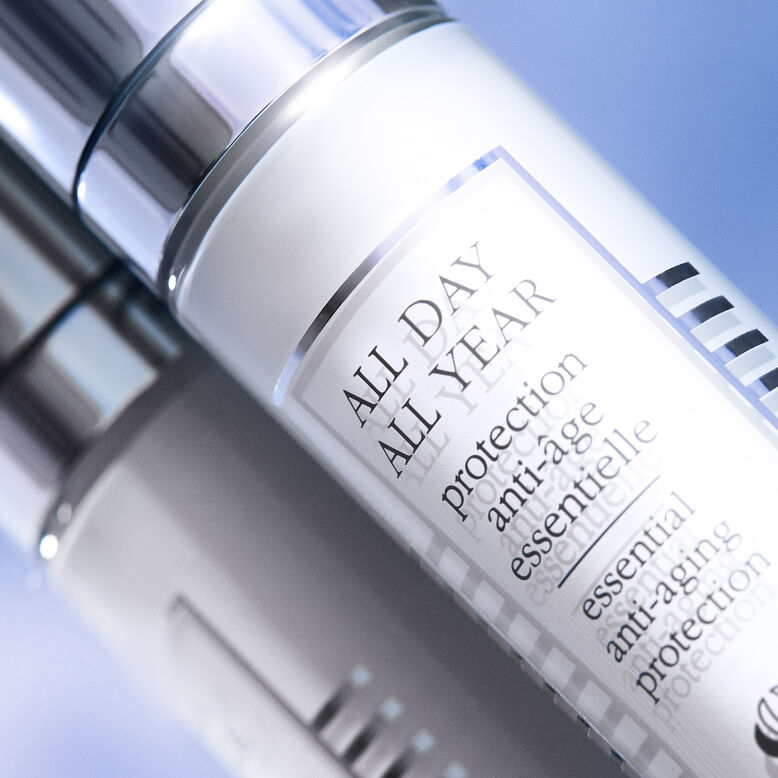
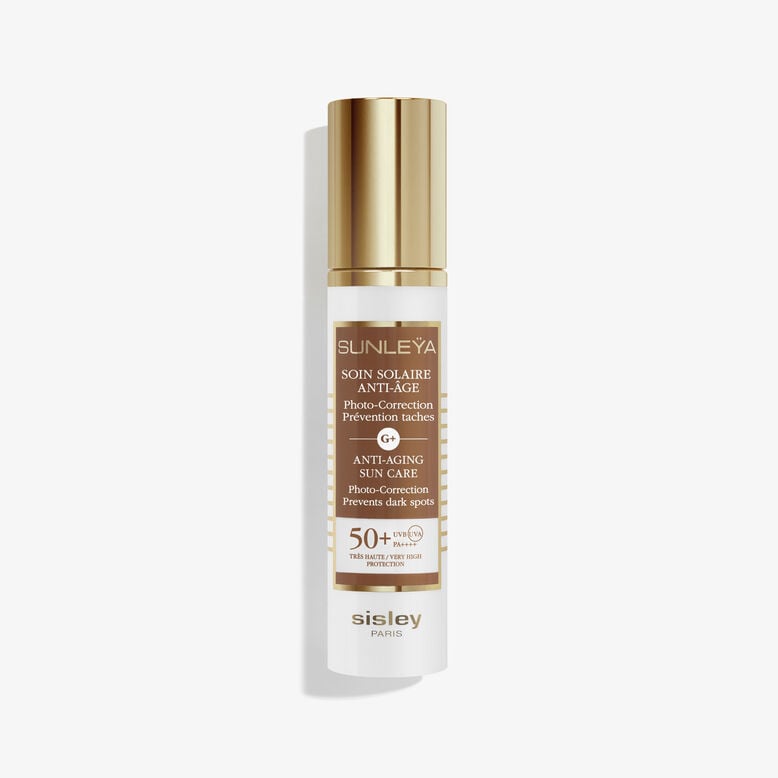

Where blemishes are more pronounced, persistent or inflammatory, it is advisable to consult a dermatologist, who will be able to recommend appropriate additional treatment.
Your questions about skin imperfections
Why do I get spots as an adult?
Just like teenage acne, adult acne is caused by a combination of key factors: excess sebum production (although this is often less severe in adults), an imbalance in the skin's microbiome, a slowdown in cell renewal, and a change in the quality of sebum. Under the influence of certain factors such as stress or hormonal fluctuations, sebum changes in composition, becoming thicker and flowing less freely, causing the pores to become blocked and promoting inflammation, even on skin that has moved beyond puberty.
If I have blemishes, does that necessarily mean my skin is oily?
Not necessarily. For example, blemishes can certainly appear on dry or dehydrated skin. In dry skin, the skin barrier lacks lipids and becomes weakened; it is then more vulnerable to pro-inflammatory bacteria, whilst the build-up of dead skin cells (scales) creates irregularities on the skin's surface. Dehydrated skin, on the other hand, lacks water: to limit this loss, it may trigger an overproduction of sebum to strengthen its barrier function. In both cases, the underlying cause is not oily skin.
Should I burst my spots to make them go away more quickly?
No! Bursting a spot is a mistake that often makes the situation worse. Indeed, mechanical pressure can spread bacteria and inflammation into the deeper layers of the skin. The risk is that a superficial imperfection could develop into a deeper lesion, drastically increasing the risk of scarring.
Is it possible to treat blemishes without damaging the skin?
Not only is it possible, but it's the key to lasting results. Using products that are too harsh damages the skin's protective barrier, which then produces even more sebum in an attempt to defend itself. To treat the skin without causing irritation, it's best to use gentle products and opt for active ingredients that respect the skin's natural balance, such as succinic acid. This next-generation active ingredient is an ideal alternative to salicylic acid – it's better tolerated by the skin and proves particularly effective at unclogging pores, purifying the skin and limiting bacterial growth whilst fully preserving the skin's hydrolipidic film.
Should I avoid using moisturiser if I have blemish-prone skin?
No, quite the opposite! Dehydrated skin will produce more sebum to compensate for this lack of moisture and protect the skin barrier. Good hydration is therefore essential: it helps the skin to remain supple, function at its best and properly shed dead skin cells, thereby preventing them from building up. Choosing the right product is also crucial – it's essential to opt for a non-comedogenic product specifically formulated to moisturise the skin without risking clogging the pores.
Can make-up make skin blemishes worse?
Make-up isn't the enemy, provided it doesn't have a ‘clogging' effect. The risk usually arises with formulas that are too rich or occlusive, as they trap sebum, thereby encouraging the growth of bacteria. Choosing non-comedogenic products is therefore essential, as is using make-up removers and cleansers in the evening. Better still, there are now skincare make-up products enriched with active ingredients that help to enhance the skin's appearance day by day whilst concealing minor imperfections.
Does the sun really help to clear up imperfections?
The sun is a false friend to blemish-prone skin – it dries out spots on the surface, but the skin reacts to UV rays by thickening. This response prevents the proper draining-away of sebum, triggering the well-known ‘rebound effect' at the end of summer. To prevent this, it is essential to use a light, non-comedogenic facial sun cream daily, as this will help to minimise skin thickening. At the same time, keeping up a thorough cleansing routine and gentle exfoliation all summer long helps sebum to drain away normally and prevents pores from becoming blocked.